
Promoting Environmental Awareness in Schools via Urban Gardening Programs
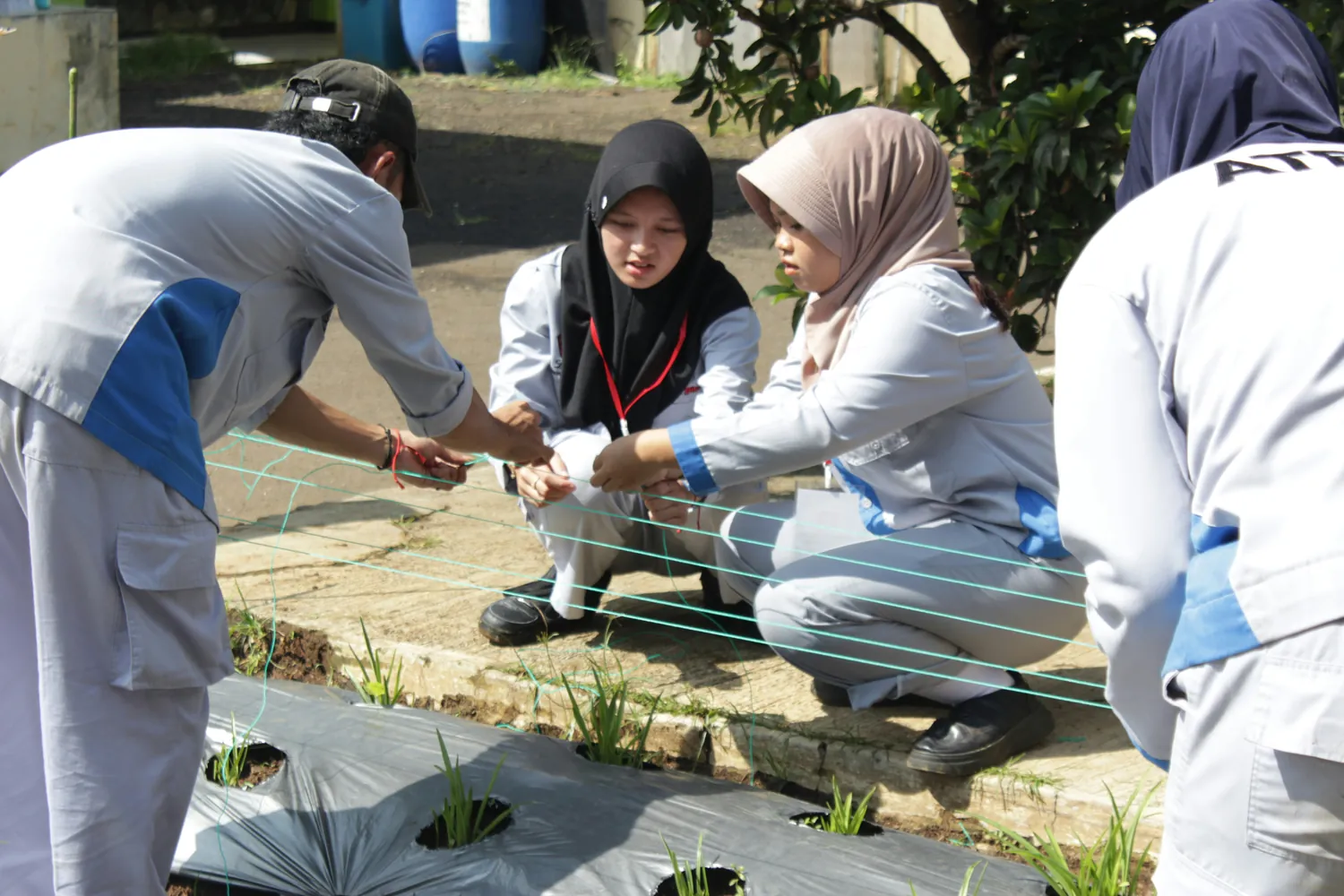
Embracing Sustainability in Education
In recent years, the need to integrate sustainability into education has become increasingly urgent. Schools across the globe are tasked with preparing students not only for academic success but also for responsible citizenship in a world facing significant environmental challenges.
Urban gardening programs provide an innovative and effective way to meet this dual goal. By involving students in hands-on gardening projects, schools can foster a deeper understanding of ecological systems, promote environmental stewardship, and enhance student engagement.
Why Urban Gardening?
Urban gardening is particularly suited for educational settings for several reasons:
- Hands-On Learning: Students actively participate in the growing process, from seed planting to harvesting, providing tangible outcomes that reinforce classroom learning.
- Environmental Stewardship: Gardening teaches students about sustainable practices such as composting and water conservation.
- Interdisciplinary Approach: It connects science, mathematics, social studies, and art, offering a holistic learning experience.
The popularity of urban gardening in schools is also driven by its alignment with several educational standards, including Next Generation Science Standards (NGSS) that emphasize inquiry-based and hands-on learning experiences.
Case Study: The Green Bronx Machine
One exemplary program is the Green Bronx Machine, founded by educator Stephen Ritz in New York City. This initiative transformed unused indoor spaces into flourishing gardens, allowing students to cultivate fresh produce while learning about nutrition and environmental science.
The impact of this program has been substantial. Students have shown increased attendance rates and improved test scores. Furthermore, the program emphasizes inclusivity by engaging students with disabilities in tailored gardening activities.
Implementation Strategies
The Green Bronx Machine follows a clear workflow that other schools can emulate:
- Secure Funding: Partner with local businesses and community organizations to obtain financial and material support.
- Space Utilization: Identify underused spaces within school premises that can be converted into gardens, such as rooftops or classrooms.
- Curriculum Integration: Design lesson plans that align with the gardening activities, ensuring cross-disciplinary connections.
Benefits Beyond the Classroom
Urban gardening extends its benefits beyond academic performance. For instance, it encourages healthy eating habits among students, as they are more likely to try vegetables they have grown themselves. Additionally, the communal aspect of gardening fosters teamwork and collaboration, essential skills for the 21st century.
A survey conducted among schools with gardening programs revealed that approximately 85% observed an improvement in student attitudes towards teamwork and responsibility.
Challenges and Solutions
Despite the numerous advantages, implementing an urban gardening program can present challenges:
- Lack of Resources: Schools often face budget constraints that make it difficult to start a gardening program. To counter this, schools can seek grants from environmental organizations or government agencies focused on sustainability.
- Limited Expertise: Educators may feel unequipped to manage a garden due to a lack of horticultural knowledge. Partnering with local horticulture experts or using online resources can provide necessary guidance.
Effective planning and community engagement are key to overcoming these challenges. Establishing a network of volunteers, including parents and local community members, can provide ongoing support and knowledge sharing.
The Role of Technology
Technology plays an integral role in enhancing urban gardening programs. Tools such as soil moisture sensors and climate monitoring apps allow students to use data-driven approaches to manage their gardens effectively. Schools can incorporate technology lessons that teach students how to interpret data collected from these devices, thereby integrating computer science concepts into their curriculum.
Digital Platforms for Collaboration
Platforms like Google Classroom can facilitate collaboration among students and teachers by allowing them to share progress reports and multimedia presentations on their gardening projects. Additionally, digital storytelling through blogs or video diaries helps document the journey and results of the garden projects, promoting digital literacy.
Conclusion: A Greener Future
Urban gardening programs are more than just a tool for teaching science—they are a gateway to lifelong learning about sustainability and community responsibility. As more schools adopt these programs, they contribute not only to environmental awareness but also to creating healthier communities. Encouraging young minds to understand and appreciate the complexities of ecological systems fosters a generation that will champion sustainable practices.
The success stories from various initiatives underscore the potential of these programs. With continued support and innovative integration into school curriculums, urban gardening will play a crucial role in nurturing environmentally-conscious citizens of tomorrow.