the complex relationship between beavers and biodiversity within wetland systems
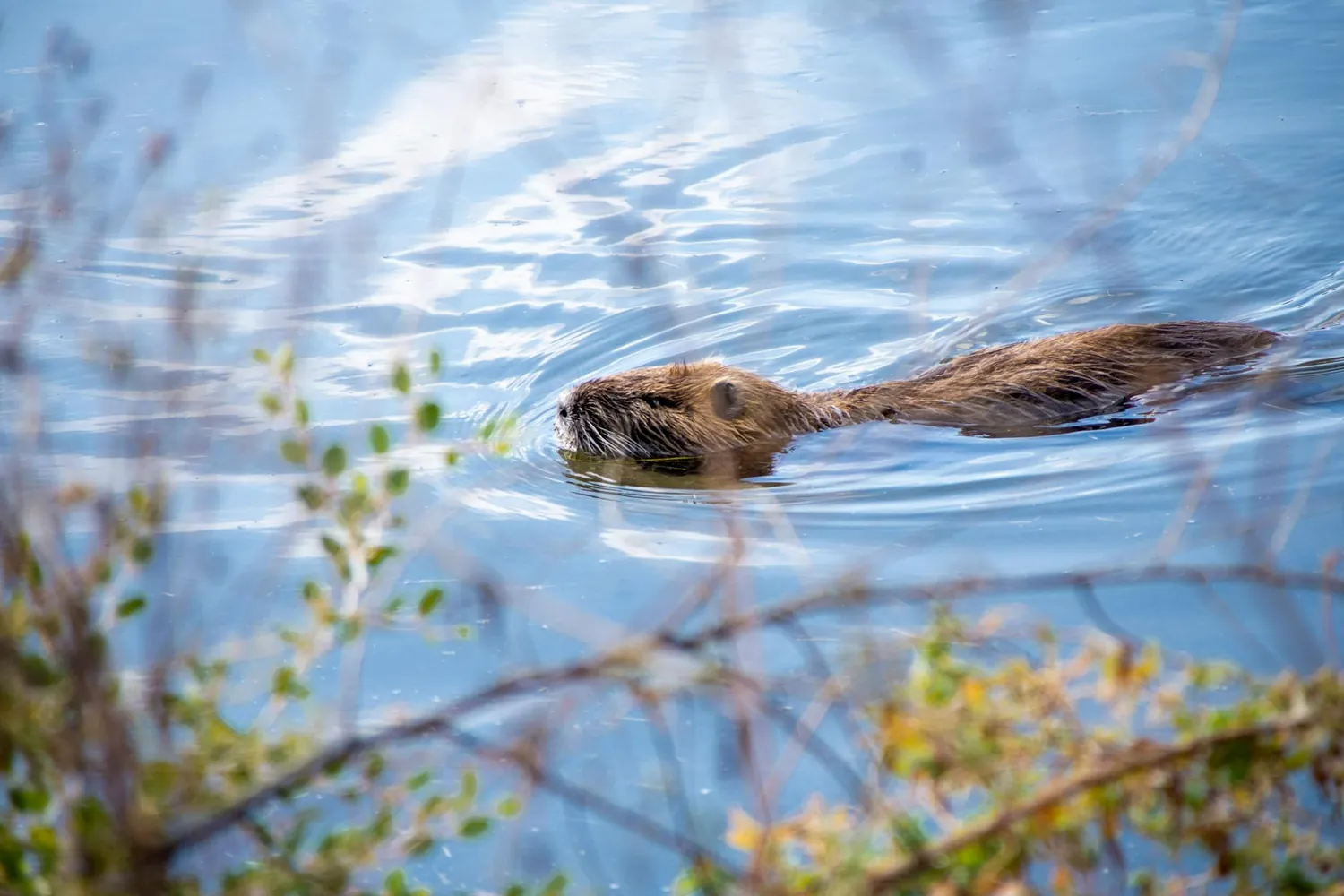
Understanding the Role of Beavers in Ecosystem Engineering
Beavers are often hailed as nature's engineers due to their remarkable ability to alter landscapes. Through their dam-building activities, beavers create a series of cascading effects that benefit a wide array of species and ecological processes.
This transformation of the environment is not merely incidental but a vital component in the development and sustenance of wetland ecosystems.
The beaver’s signature activity—building dams across streams and rivers—results in the creation of ponds and wetlands. These new aquatic habitats are crucial for a range of organisms, including amphibians, birds, fish, and invertebrates, all of which depend on water bodies for different life stages.
The Engineering Process
When beavers establish a colony, they select areas with slow-moving water where they can construct dams from locally available materials such as branches, mud, and stones. The process usually involves:
- Site Selection: Beavers choose sites with abundant food sources (like willow or aspen) and enough water depth.
- Construction: Using strong teeth, beavers fell trees and collect branches to begin construction. Mud and stones are used to reinforce the structure.
- Maintenance: Regular upkeep is necessary to ensure the integrity of the dam against environmental changes such as floods or droughts.
This process is not just about habitat creation; it also involves ongoing management of the water levels within the ecosystem. As these activities unfold, the resultant environments become rich biodiversity hotspots.
Beavers and Biodiversity: A Symbiotic Relationship
The presence of beavers in wetland areas results in several direct and indirect benefits for local biodiversity. The damming activities slow water flow, leading to sediment deposition which enriches soil nutrients and fosters plant growth. These changes enhance habitats for various wildlife species.
Water Retention and Quality Improvement
Beaver dams naturally help in retaining water during dry periods, effectively preventing drought conditions that could threaten diverse species. Furthermore, these structures improve water quality by filtering out sediments and pollutants, thus contributing to cleaner downstream waterways.
The accumulation of organic material behind dams also supports microbial activity that breaks down toxins, helping to purify the water further. For instance, nitrates, often prevalent in agricultural runoffs, are reduced in beaver-influenced wetlands, thereby protecting aquatic life downstream.
Creating Habitats for Diverse Species
The ponds and wetlands formed by beaver dams serve as critical habitats for many species:
- Amphibians: Species such as frogs and salamanders thrive in these environments due to the ample food supply and breeding sites.
- Birds: Wetlands provide feeding and nesting grounds for numerous bird species, including waterfowl and songbirds.
- Fish: Certain fish species benefit from the cooler, deeper waters of beaver ponds that offer protection from predators.
These habitats not only support diverse life forms but also act as ecological corridors that facilitate species movement and genetic exchange.
Case Study: Beaver Reintroduction Successes
In recent years, several reintroduction projects have highlighted the positive impacts beavers have on biodiversity and ecosystem health. One notable example is found in Devon, England, where the reintroduction of beavers led to increased biodiversity within the River Otter catchment.
The success story includes:
- An increase in vegetation diversity around beaver-modified ponds and streams.
- The return of rare butterfly species that rely on wetland plants for survival.
- Improved fish stocks due to better-spawned habitats provided by deeper pools.
This example underscores how targeted conservation efforts can harness natural processes for ecosystem restoration, benefitting both wildlife and human communities alike.
Practical Steps for Conservationists
If you are involved in conservation or wildlife management, consider these steps when planning beaver-related projects:
- Conduct Thorough Site Assessments: Evaluate potential reintroduction sites for suitability, considering current biodiversity levels and human land use.
- Engage Stakeholders Early: Work with local landowners and community members to build support and address any concerns related to flooding or land use changes.
- Monitor Ecological Impact: Use standardized protocols to track changes in biodiversity and water quality over time following reintroduction.
The integration of beaver ecology into broader conservation planning can yield substantial ecological dividends, enhancing both natural systems and human enjoyment of wild spaces.
Challenges and Considerations
While the benefits of beavers are clear, managing their populations does come with challenges. Issues like potential flooding of farmlands or infrastructure can arise. Therefore, it's important for wildlife managers to carefully balance ecological benefits with human needs.
Navigating Human-Beaver Conflicts
To mitigate conflicts:
- Install flow devices in dams to control water levels without disturbing beaver activity.
- Create buffer zones with native plantings to protect sensitive areas from flooding.
These solutions require collaborative approaches involving ecologists, local governments, and community groups.
The Future of Beavers in Wetland Conservation
As we look towards sustainable wetland conservation strategies, understanding and leveraging the natural engineering abilities of beavers becomes increasingly important. By promoting beaver-friendly policies and practices, we can restore degraded ecosystems, boost biodiversity, and combat climate change impacts more effectively.
Ultimately, the harmonious relationship between beavers and biodiversity illustrates how nature’s own engineers can play a pivotal role in maintaining healthy ecosystems worldwide.