
From Block to Beauty: Crafting Sculptures with Whittling Skills
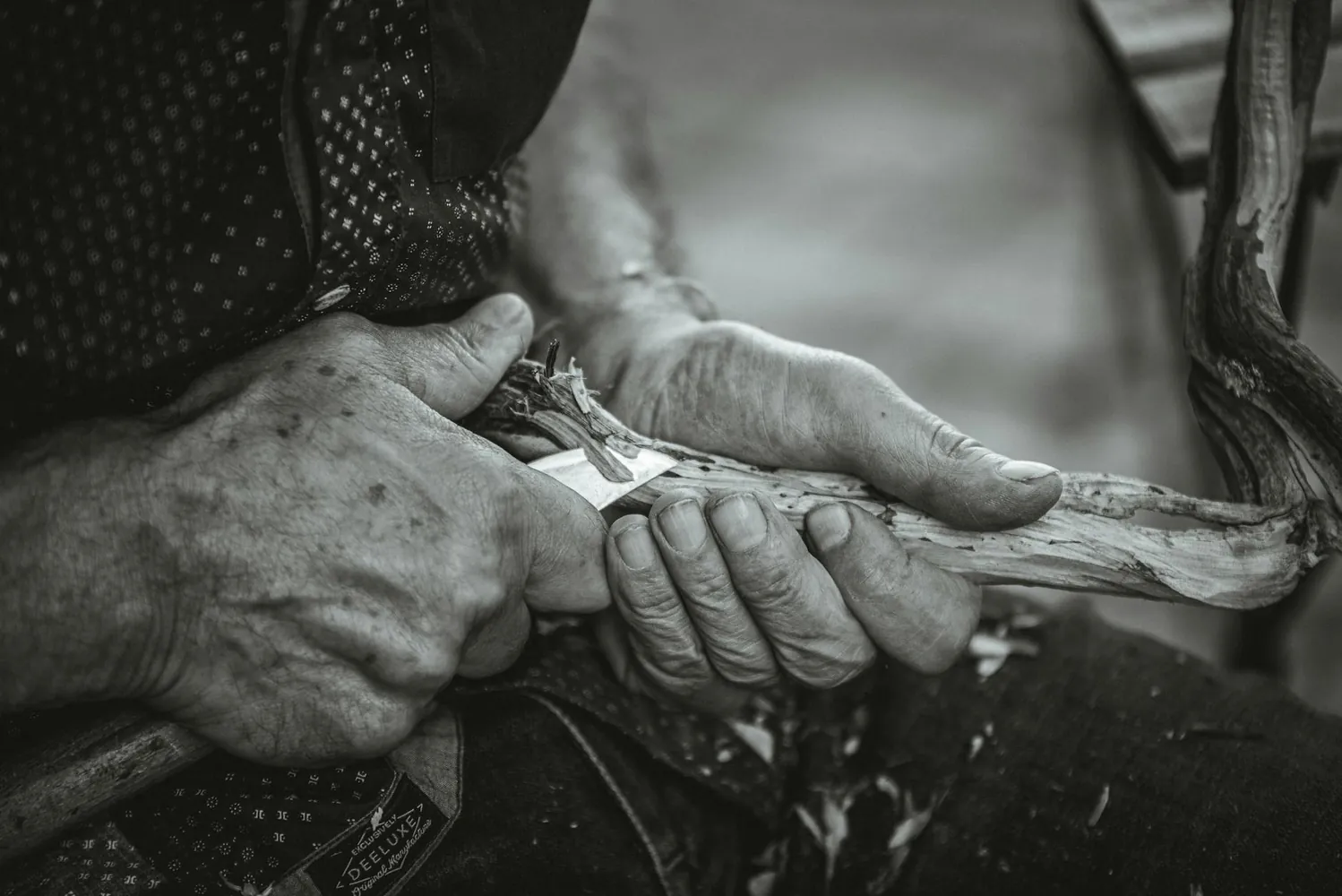
The Art of Whittling: A Journey Back in Time
Whittling is an age-old craft that harks back to simpler times. It's a humble art form, requiring minimal tools and materials, yet offering limitless possibilities for creativity.
At its core, whittling is about transforming a simple block of wood into a thing of beauty using nothing more than a sharp knife and skilled hands.
Historically, whittling was not just a pastime but a necessity. Our ancestors relied on this skill to craft utensils, tools, and even toys. Today, while modern conveniences have replaced many practical applications of whittling, the art form has seen a revival among hobbyists and artisans who appreciate its meditative qualities and potential for artistic expression.
Essential Tools for Whittling
Before diving into the techniques and artistry of whittling, it’s important to equip yourself with the right tools. The beauty of whittling lies in its simplicity, but the right equipment can make a significant difference in your experience and results.
The Whittling Knife
Your primary tool will be a whittling knife. These knives are typically small and have a fixed blade, allowing for precise cuts. Popular brands like Mora and Flexcut offer specialized knives designed for comfort and durability.
- Handle: Look for ergonomic designs to reduce hand fatigue.
- Blade: Carbon steel blades hold an edge longer but require regular maintenance to prevent rust. Stainless steel is low-maintenance but dulls more quickly.
Additional Tools
While you can achieve great results with just a knife, other tools can enhance your work:
- Carving gouges: Useful for creating concave surfaces.
- V-tools: Perfect for adding intricate details.
- Sanding blocks: For smoothing out surfaces once carving is complete.
Safety First: Essential Tips
Whittling can be incredibly rewarding, but it requires caution. Proper technique not only ensures safety but also enhances your ability to execute detailed work.
Proper Handling Techniques
- Grip: Hold the knife securely with a firm grip, using your thumb on the spine of the blade for control.
- Cut away from your body: Always direct the blade away from your body and fingers.
Using Protective Gear
Consider wearing a carving glove on the hand holding the wood. This provides an additional layer of protection against slips.
From Block to Beauty: Transformative Techniques
Now that you're equipped with the tools and safety knowledge, it's time to explore the techniques that turn simple wood into intricate sculptures. Start with basic shapes and gradually progress to more complex projects as you gain confidence and skill.
The Basics: Starting Small
Begin your journey with simple projects like carving a spoon or small animal figures. These provide excellent practice for mastering fundamental techniques such as paring cuts (a pulling motion) and push cuts (a forward motion).
Advanced Techniques
As you advance, you can explore more complex techniques such as relief carving, where figures are raised above the background surface. Mastering such methods requires patience but opens up vast creative possibilities.
- Chip Carving: Involves removing small chips from the wood surface to create patterns or designs. It’s akin to creating lacework out of wood.
- Bark Carving: Using bark as a medium can add texture and visual interest, offering a rustic appeal to your pieces.
Learning from Experienced Whittlers: Stories and Inspirations
The best way to improve your skills is by learning from those who have mastered the art. Seasoned whittlers often share their experiences and techniques through workshops, online tutorials, and community gatherings.
“I started whittling as a way to relax after stressful days. Over time, I found myself improving not just in skill but in patience. Each piece taught me something new about both the wood and myself.” — Ellen Carter, professional whittler.
The Community Aspect
Join local whittling clubs or online forums like The Whittling Shop. Sharing experiences with fellow enthusiasts not only provides motivation but can also offer valuable feedback on your work.
A Simple Workflow for Your Next Project
Approaching your next project systematically can help in achieving better results. Here’s a step-by-step workflow:
- Select your wood: Opt for softwoods like basswood or pine if you’re just starting.
- Plan your design: Sketch your ideas on paper before committing them to wood.
- Prepare your tools: Ensure all knives are sharp and ready for use.
- Carve slowly: Take your time with each cut; rushing often leads to mistakes or injury.
- Smooth surfaces: Use sanding blocks or fine-grit sandpaper to smooth out any rough areas post-carving.
The Meditative Nature of Whittling
Apart from its creative aspects, many find whittling deeply meditative. The repetitive motions foster a sense of calm and focus that can be therapeutic in today’s fast-paced world. Setting aside time regularly to practice can be as beneficial for the mind as it is for honing your craft.
The Path Ahead: Continuing Your Whittling Journey
Your journey in whittling will evolve as you do. With each project comes new challenges and learnings. Whether you aim to create complex sculptures or simply enjoy the process, whittling offers endless opportunities for growth and satisfaction.