
A Side-by-Side Review of Soil and Hydroponic Methods for Indoors
Understanding Indoor Gardening: Soil vs. Hydroponics
For indoor gardening enthusiasts, choosing between traditional soil methods and the increasingly popular hydroponic systems can be a pivotal decision. Each approach offers unique benefits and challenges, depending on your available space, budget, and the types of plants you aim to grow.
This article provides a comprehensive comparison of these two gardening techniques, helping you determine which might be better suited to your indoor environment. We will explore their advantages, disadvantages, and provide practical examples to illustrate how each system works.
The Basics of Soil Gardening
Traditional soil gardening is perhaps the most familiar method for cultivating plants. It involves using organic soil as the medium for plant growth. This method has been practiced for centuries and remains widely popular due to its simplicity and natural approach.
Advantages of Soil Gardening
- Natural Ecosystem: Soil is a living ecosystem full of beneficial microorganisms that help break down organic matter, providing nutrients to plants.
- Easy Accessibility: Most people have easy access to soil, making it a convenient choice for beginners.
- Cost-Effective: Initial setup costs are generally lower than hydroponic systems, as soil and pots are affordable and readily available.
Drawbacks of Soil Gardening
- Pest Issues: Soil can harbor pests and diseases that might affect plant health.
- Space Requirements: Soil-based systems require more space and can be cumbersome for small indoor environments.
- Water Usage: Traditional watering methods can lead to overwatering or underwatering, requiring careful monitoring.
An example of a successful soil garden might include a windowsill herb garden. Using small pots with organic potting mix, gardeners can grow herbs like basil, mint, and parsley year-round.
Exploring Hydroponic Systems
Hydroponics involves growing plants without soil, using mineral nutrient solutions in an aqueous solvent. This method allows for more control over plant nutrition and is often praised for its efficiency and innovation.
Advantages of Hydroponics
- Water Efficiency: Hydroponic systems use significantly less water compared to soil gardening, as water is recirculated through the system.
- Space-Saving Design: Vertical hydroponic setups allow gardeners to maximize limited indoor spaces, such as apartments or urban homes.
- Rapid Growth: Plants tend to grow faster in hydroponic systems due to optimized nutrient delivery.
Drawbacks of Hydroponics
- Initial Cost: Setting up a hydroponic system can be expensive, as it requires specific equipment like pumps, reservoirs, and grow lights.
- Technical Knowledge Required: Hydroponics demands a certain level of technical knowledge and maintenance to ensure nutrient balance and pH levels are maintained.
- Dependence on Technology: These systems rely heavily on electrical components, which can fail or become costly over time.
A practical example is a lettuce-growing system using deep water culture (DWC). A DWC setup suspends plant roots in nutrient-rich water, offering an efficient method for growing leafy greens indoors.
Comparing Costs and Maintenance
When deciding between soil and hydroponic systems, cost and maintenance are key considerations. While soil gardening is usually cheaper upfront, hydroponics can save money long-term through reduced water usage and potentially higher yields.
Soil Gardening Costs
The primary costs associated with soil gardening include purchasing pots, soil, seeds or seedlings, and fertilizers. Ongoing expenses may involve replacing or supplementing the soil each growing season.
Hydroponics Costs
The initial investment for hydroponic systems is higher due to the need for specialized equipment. However, these systems often require fewer resources over time. Nutrient solutions can be costly but are used efficiently within the closed system.
Maintenance Considerations
- Soil Systems: Regular watering, monitoring for pests, and occasional repotting are necessary to maintain plant health.
- Hydroponic Systems: Requires monitoring water levels, nutrient concentrations, and ensuring pumps and lights function properly. Routine cleaning is also crucial to prevent algae buildup.
Choosing the Right Method for Your Space
The decision between soil and hydroponics largely depends on your specific circumstances. Here are some factors to consider:
- If you have ample space and prefer a more hands-off approach, soil gardening may suit you best. This method also complements those interested in organic growing practices.
- If you're working with limited space or wish to experiment with technology-driven methods, hydroponics might offer the perfect blend of innovation and practicality. It's especially advantageous for those looking to maximize yield within confined areas.
An urban apartment dweller might find value in a compact vertical hydroponic system that allows the cultivation of multiple plant types without encroaching on living areas. In contrast, someone with access to a small backyard or sunny balcony might enjoy the simplicity of a traditional potted herb garden.
The Best Plants for Each System
Certain plants thrive better in specific systems. Understanding which plants are best suited for each method will help you optimize your indoor garden's productivity.
Ideal Plants for Soil Gardens
- Herbs: Basil, mint, oregano, rosemary
- Vegetables: Tomatoes, peppers, carrots (if deeper pots are available)
Ideal Plants for Hydroponic Systems
- Leafy Greens: Lettuce varieties, spinach, kale
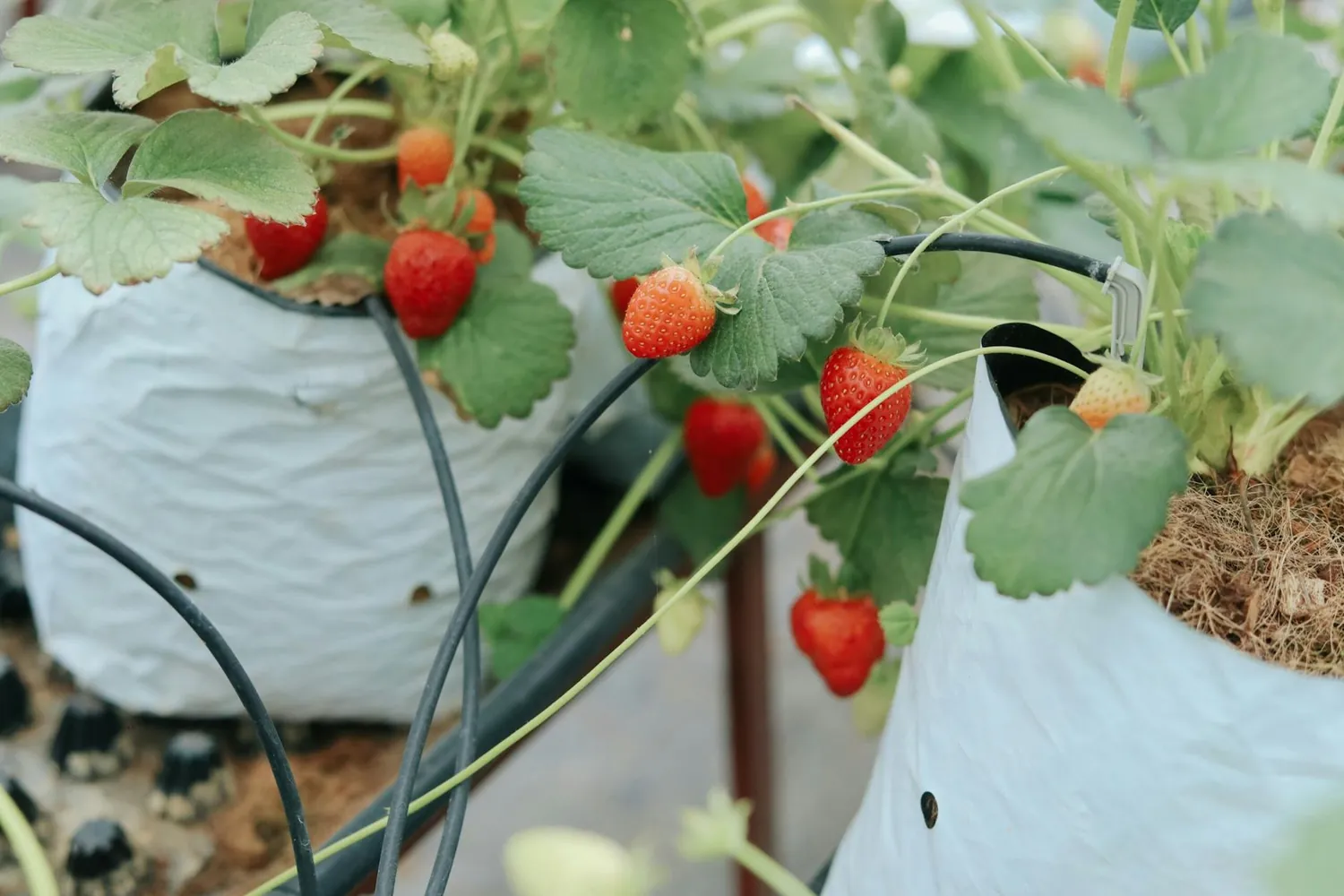
- Fruits: Strawberries thrive well in hydroponic systems due to their fast growth rate and shallow root systems.
Sustainability Considerations
Sustainability is an increasingly important aspect of any gardening practice. Both methods have their environmental impacts that merit consideration:
- Soil Gardens: They foster biodiversity by supporting an ecosystem of microbes and insects. However, improper soil management can lead to erosion and nutrient leaching.
- Hydroponics: These systems conserve water effectively but often rely on synthetic nutrients. Striking a balance by using organic nutrient solutions where possible can mitigate environmental impact.
The sustainability angle is crucial if you're environmentally conscious. Choose a method that aligns with your values while meeting your gardening goals.
Conclusion: Making an Informed Choice
Your choice between soil and hydroponic gardening should reflect your lifestyle preferences, environmental concerns, available space, and budget. Both systems have unique advantages that cater to different needs.
If you're new to gardening or prefer low-cost setups with natural elements, starting with soil might be ideal. Meanwhile, technology enthusiasts or those with limited space might find hydroponics more appealing due to its innovative approach to indoor gardening.
No matter your choice, both methods offer rewarding opportunities to cultivate lush indoor gardens that can enhance your living environment. Embrace the process and enjoy the journey of nurturing plants in whichever system you choose!