Mental Health through Yarn: Understanding Knitting and Crochet Therapy
The Therapeutic World of Yarn
In today's fast-paced world, finding a hobby that offers relaxation and creativity while supporting mental health can be invaluable. Enter the soothing arts of knitting and crochet. These yarn-based activities not only produce beautiful textiles but also serve as effective forms of therapy for many individuals.
Knitting: The Art of Repetition
Knitting is often celebrated for its meditative qualities. Using two needles and a series of loops, knitters create fabrics through repetitive movements. This repetition is not just key to the art; it is also central to its therapeutic benefits.
The Benefits of Knitting for Mental Health
Repetition in knitting allows for a trance-like state similar to meditation. This can help reduce stress, decrease anxiety, and improve mood. The predictable nature of each stitch provides a sense of order and control, which is comforting for many people.
- Reduces Stress: The rhythmic motion of knitting can lower blood pressure and cortisol levels, contributing to an overall sense of calm.
- Enhances Focus: Counting stitches and following patterns require concentration, which can help keep the mind focused and away from negative thoughts.
- Boosts Self-Esteem: Completing a knitting project, whether a simple scarf or an intricate sweater, gives a sense of accomplishment.
When to Choose Knitting
If you're seeking a structured activity that emphasizes rhythm and repetition, knitting might be the ideal choice. It's particularly beneficial for individuals who enjoy methodical tasks or those looking to enhance their patience and focus over time.
The Drawbacks of Knitting
While knitting has many benefits, it also comes with its challenges. Learning to coordinate two needles can be daunting for beginners, and projects can take longer compared to crochet.
- Learning Curve: Mastering the use of two needles simultaneously can be challenging.
- Time-Consuming: Some larger projects can take months to complete, requiring significant time investment.
Crochet: Versatility and Creativity
Crochet uses a single hook and yarn to create fabric. Known for its versatility, crochet allows for a broad range of techniques and styles, making it an excellent outlet for creative expression.
Mental Health Benefits of Crochet
Crochet shares many of the therapeutic benefits of knitting but stands out with its adaptability and room for artistic exploration. This can be particularly beneficial for enhancing creativity and flexibility in thinking.
- Encourages Creativity: With crochet, you can easily switch between different patterns and stitches, allowing for dynamic and creative projects.
- Offers Quick Satisfaction: Crochet projects often take less time than knitting, which can provide quicker gratification from completed projects.
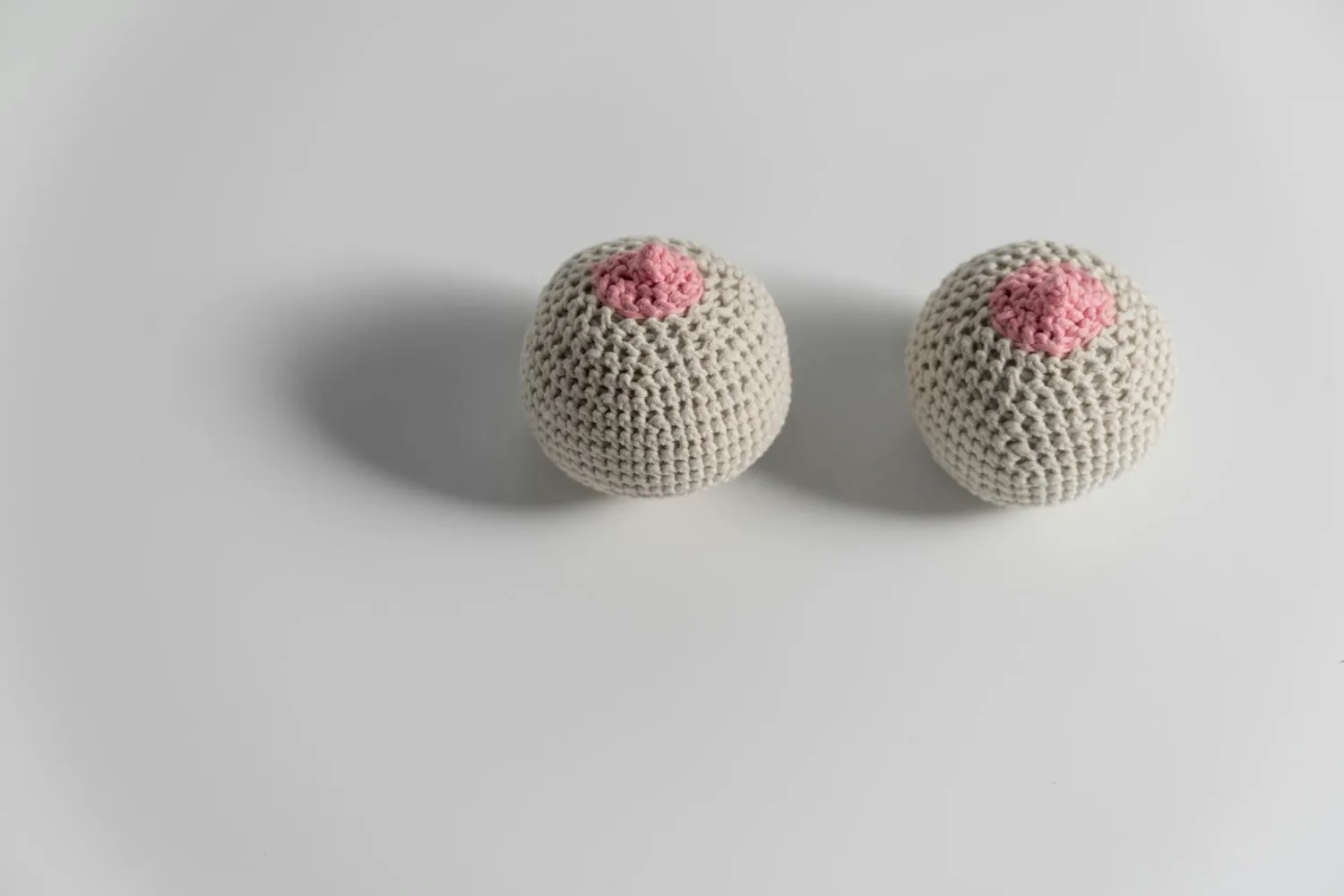
- Adaptable Techniques: Whether you’re creating amigurumi (crocheted stuffed toys) or intricate lacework, crochet accommodates various skill levels and interests.
When to Choose Crochet
Crochet may appeal to those who prefer more flexibility in their projects or who like experimenting with different textures and shapes. If you value variety and quick results in your crafting, crochet might be your best fit.
The Challenges of Crochet
Despite its creative potential, crochet is not without challenges. The variety of stitches can overwhelm some beginners, and the single hook can be awkward to manage initially.
- Initial Awkwardness: Managing the hook can feel strange at first if you're used to using needles.
- Complex Patterns: More advanced techniques can become complex quickly, requiring focus and practice.
Practical Tips for Getting Started
No matter which hobby you choose, there are practical steps you can take to make the most out of your crafting experience.
For Beginners
- Start with simple patterns: Both knitting and crochet offer beginner-friendly projects like scarves or dishcloths that allow you to build foundational skills without becoming overwhelmed.
- Use medium-weight yarn: It’s easier to see your stitches with thicker yarns when starting out.
Advanced Tips
- Join a community: Whether online forums or local crafting groups, communities can provide support and inspiration.
- Experiment with materials: Once comfortable, try using different types of yarns like cotton, wool, or even recycled materials to see how they affect your work.
Integrating Yarn Crafts into Daily Life
Crafting with yarn isn't just a hobby; it's an opportunity to integrate moments of mindfulness and creativity into daily life. Consider setting aside dedicated time each week for your projects, making them part of your self-care routine.
In conclusion, both knitting and crochet offer unique benefits as therapeutic hobbies. Whether you lean toward the meditative rhythm of knitting or the creative freedom of crochet, these crafts provide more than just handmade items—they offer pathways to improved mental health.