
Unlocking the Secrets to Successful Mosaic Crafting for Newbies
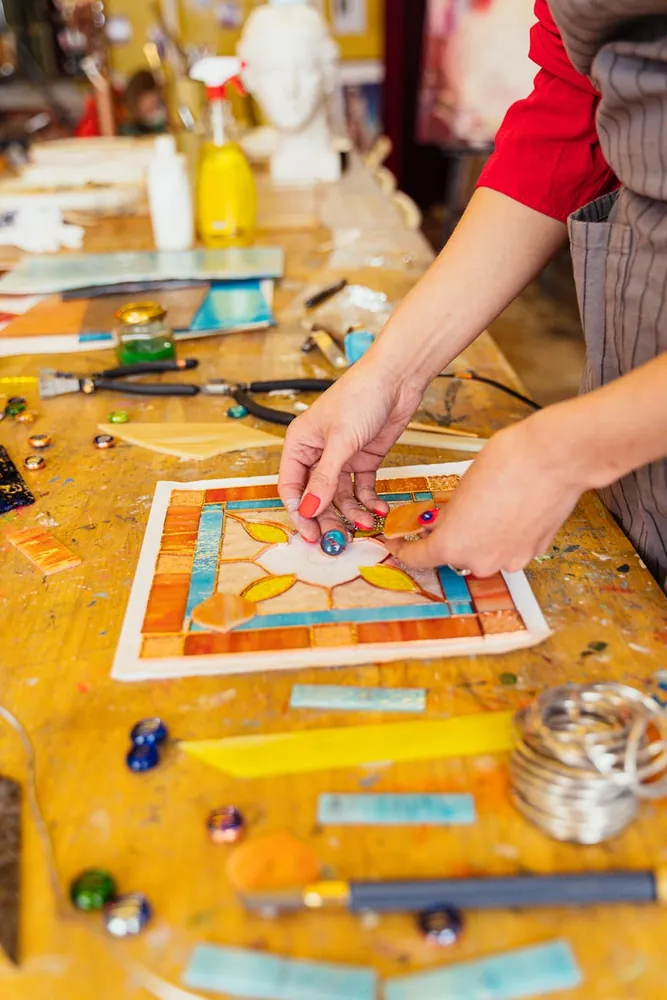
Discovering the Art of Mosaic Crafting
Mosaic crafting is a captivating hobby that allows you to create stunning visuals using small pieces of materials such as glass, stone, or tiles. This ancient art form has been cherished for centuries and continues to inspire modern-day artisans and hobbyists alike.
Whether you're drawn to its vibrant colors or intricate patterns, mosaic crafting offers a fulfilling creative outlet for anyone willing to explore it.
Selecting Your Design: Where Imagination Meets Planning
The first step in mosaic crafting is choosing a design. This phase can be both exciting and daunting, especially if you're new to the craft. Consider starting with simple geometric patterns or motifs inspired by nature, like flowers or waves, which can help ease you into more complex designs later on. Here are some tips for choosing your design:
- Personal Interests: Reflect on themes and subjects you are passionate about. Personal enthusiasm will keep you motivated throughout the project.
- Simplicity: Opt for designs with clear outlines and minimal detail when starting out. You can gradually build complexity as your skills improve.
- Color Palette: Select a color scheme that complements your home décor or personal preferences.
Once you have your design in mind, sketch it out on paper. This preliminary sketch serves as a roadmap for your mosaic project.
Gathering Materials: More Than Just Tiles
When it comes to mosaics, the choice of materials can significantly impact your final piece. While tiles are a popular choice, don't hesitate to experiment with glass beads, broken pottery, or even seashells. Here's how you can approach material selection:
- Tiles: Available in a variety of colors and finishes, tiles are versatile and easy to work with. Ceramic and glass tiles are particularly favored for their durability and aesthetic appeal.
- Recycled Materials: Consider using broken china or old CDs. Not only do these add unique textures, but they also offer an eco-friendly crafting option.
- Tools: Invest in tools like nippers for cutting tiles, a spatula for applying adhesive, and tweezers for placing smaller pieces.
Having the right materials and tools at hand will make the crafting process smoother and more enjoyable.
Mastering the Basics of Cutting Techniques
One of the skills you'll need to master in mosaic crafting is cutting your materials into desired shapes and sizes. While this might seem intimidating at first, practice will make perfect. Let's explore some basic cutting techniques:
Nipping Tiles
Tile nippers are essential for cutting ceramic and glass tiles into smaller pieces. Hold the nipper like scissors, place the tile between its jaws, apply steady pressure, and snap off the piece.
Scoring and Snapping Glass
A glass cutter is used for scoring straight lines on glass pieces. Once scored, apply gentle pressure to snap the glass along the line. This technique requires a steady hand and practice to master.
Smoothing Edges
After cutting, sharp edges may remain on your materials. Use a sanding stone or diamond file to smooth these edges, ensuring they won't pose a safety hazard.
Assembly: Bringing Your Mosaic to Life
With your design ready and materials prepared, it's time to assemble your mosaic. Here's a step-by-step guide to help you through this process:
Laying Out the Design
Begin by arranging your pieces on your backing surface without adhesive. This dry run allows you to adjust placement before permanently fixing them. Consider using a grid or template as a guide for uniformity.
Applying Adhesive
Select an appropriate adhesive based on your backing material—tile adhesive works well for most surfaces. Use a spatula to spread a thin layer over the area where you'll place your pieces.
Setting Pieces
Carefully place each piece onto the adhesive, pressing down gently to ensure it's secure. Use tweezers for smaller pieces and regularly step back to check alignment against your design.
Grouting the Mosaic
Once all pieces are set and the adhesive has dried, it's time to grout. Choose a grout color that complements your design. Apply it using a rubber float, working it into gaps between pieces. After a short drying period, clean excess grout with a damp sponge.
Caring for Your Mosaic: Ensuring Longevity
Your finished mosaic is not only a piece of art but also an investment of time and effort. To maintain its beauty, follow these care tips:
- Sealing: Apply a sealant to protect porous materials from moisture and stains.
- Cleaning: Regularly dust your mosaic with a soft cloth. For deeper cleaning, use mild soap and water.
- Avoid Harsh Chemicals: Chemical cleaners can damage some materials; always test cleaners on a small area first.
Mosaics are remarkably durable when properly maintained, making them perfect for both indoor and outdoor displays.
Embracing Challenges: Learning from Experience
Mosaic crafting is as much about learning from mistakes as it is about creating beautiful art. Embrace each challenge as an opportunity to grow your skills:
- Experimentation: Don't be afraid to try new techniques or materials; every project enhances your craft knowledge.
- Patience: Larger mosaics take time; appreciate the process as much as the finished piece.
- Community Involvement: Join local mosaic groups or online forums to share tips and gain inspiration from fellow enthusiasts.
The world of mosaic crafting is vast and welcoming. As you continue honing your skills, you'll find endless possibilities for creativity and expression.