
Exploring the Role of Street Vendors in Thailand's Economy and Culture
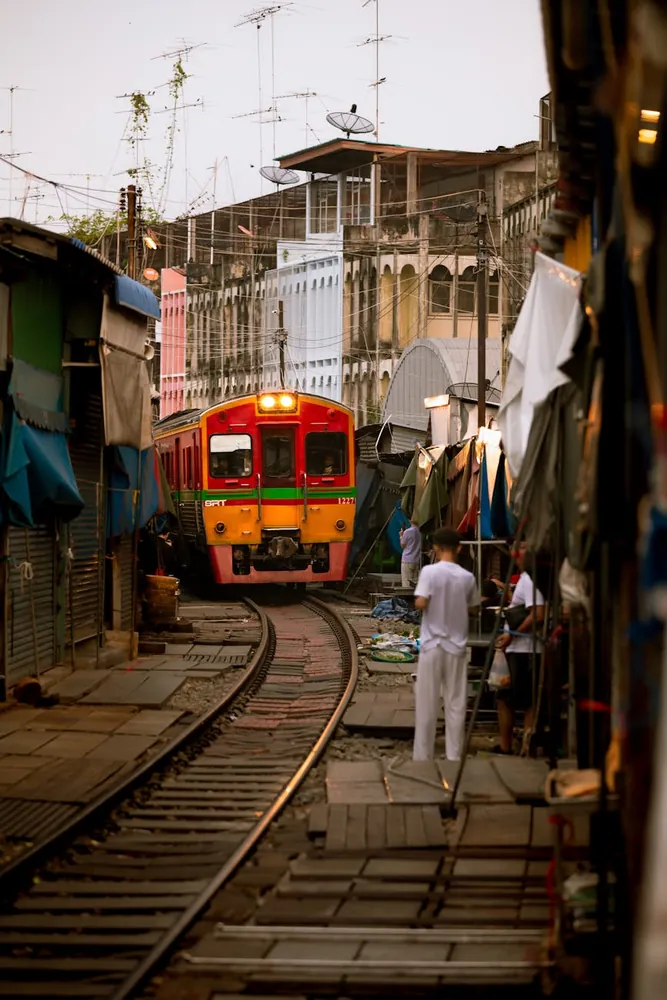
The Vibrant Scene of Thai Street Food
Thailand's street food is not just a culinary delight; it's an essential aspect of the country's cultural fabric. Walking through Bangkok or Chiang Mai, one is greeted with a tantalizing array of aromas and sights as vendors cook and sell their dishes on bustling streets.
From the savory pad thai to sweet mango sticky rice, each dish tells a story of regional flavors and culinary traditions.
The Cultural Tapestry
The street food culture in Thailand is deeply intertwined with its regional identities. In the north, you might find khao soi, a creamy coconut curry noodle dish with Burmese influences, while the southern regions boast spicier dishes like som tam, a fiery papaya salad.
These regional specialties are more than just meals; they reflect the diverse cultural practices and histories of the areas they originate from. The street vendors, often local families, pass down recipes through generations, ensuring that these traditions remain alive amidst rapid modernization.
Economic Impact of Street Vendors
Street vendors in Thailand are a cornerstone of the economy. They provide affordable food options for locals and tourists alike while contributing significantly to the informal economy. According to recent studies, thousands of Thais rely on this sector for their livelihoods, making it a critical element of the nation's economic framework.
Employment Opportunities
Street vending offers numerous employment opportunities, especially for those who may lack formal education or access to traditional job markets. It is an inclusive industry that allows individuals from various backgrounds to establish their businesses with relatively low startup costs.
The income generated from street vending helps improve the quality of life for many families, funding education and healthcare needs. Moreover, it supports other local businesses such as suppliers and equipment makers.
Tourism and Street Food
For tourists, street food provides an authentic taste of Thai culture that cannot be replicated in conventional restaurants. A trip to Thailand would be incomplete without sampling its street offerings. This aspect of tourism also brings significant economic benefits to the country.
Attracting International Attention
Thailand’s street food scene has garnered international acclaim, featuring in numerous travel documentaries and articles. This visibility attracts food enthusiasts from around the world eager to experience authentic Thai flavors, thereby boosting tourism revenue.
- Cultural Experience: Street food offers tourists a glimpse into everyday Thai life, from the hustle of markets to communal dining settings.
- Economic Boost: Increased tourist footfall translates into higher sales for vendors and adjacent businesses.
Challenges Facing Thai Street Vendors
Despite their vital role, street vendors face several challenges that threaten their sustainability. Urban development and governmental regulations sometimes push vendors out of central areas or impose stringent conditions that are hard to meet.
Regulatory Hurdles
The Thai government has initiated campaigns to regulate and formalize street vending, aiming to improve hygiene standards and urban aesthetics. While well-intentioned, these measures can be onerous for small vendors who lack resources to comply swiftly.
The need to balance modernization with cultural preservation is crucial. Advocacy and policy measures must consider the social value that street vendors bring while ensuring public health and safety standards are met.
Sustaining the Street Food Culture
Sustaining this vibrant culture requires cooperative efforts between vendors, consumers, and policymakers. Recognizing the contributions of street vendors can lead to policies that protect their interests while fostering an environment where they can thrive.
Innovative Solutions
- Training Programs: Offering training in food safety and business management can help vendors enhance their operations while meeting regulatory standards.
- Designated Areas: Establishing specific areas for street food markets can help manage congestion and hygiene while preserving the accessibility of these vendors.
The resilience and adaptability of Thai street vendors highlight their indispensable role in both economic sustenance and cultural preservation. As Thailand continues to grow as a global tourist destination, acknowledging and supporting its street food culture will ensure it remains a cherished part of the nation’s identity.