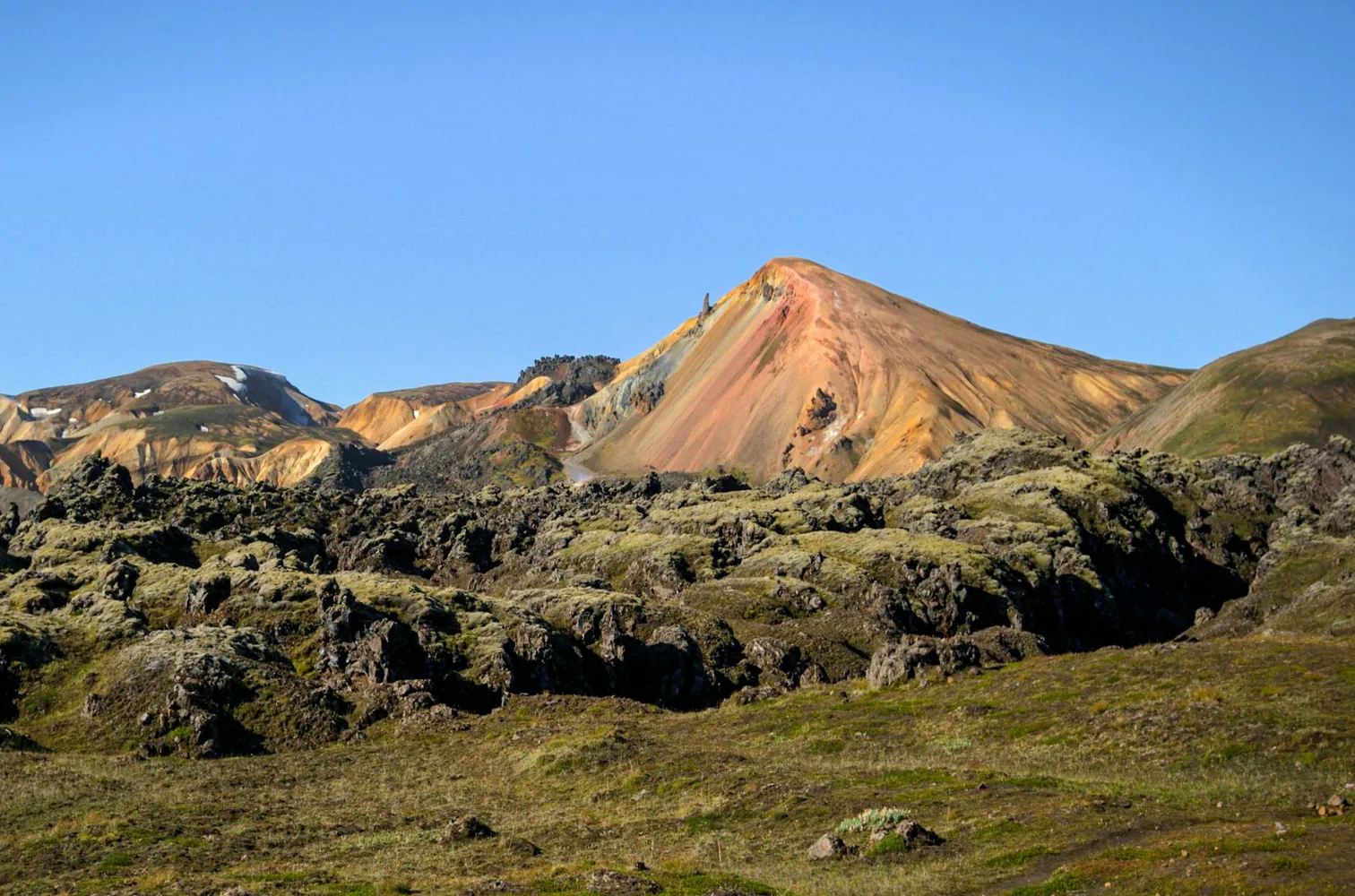
Five Breathtaking Hikes on New Zealand’s North Island You Haven’t Tried
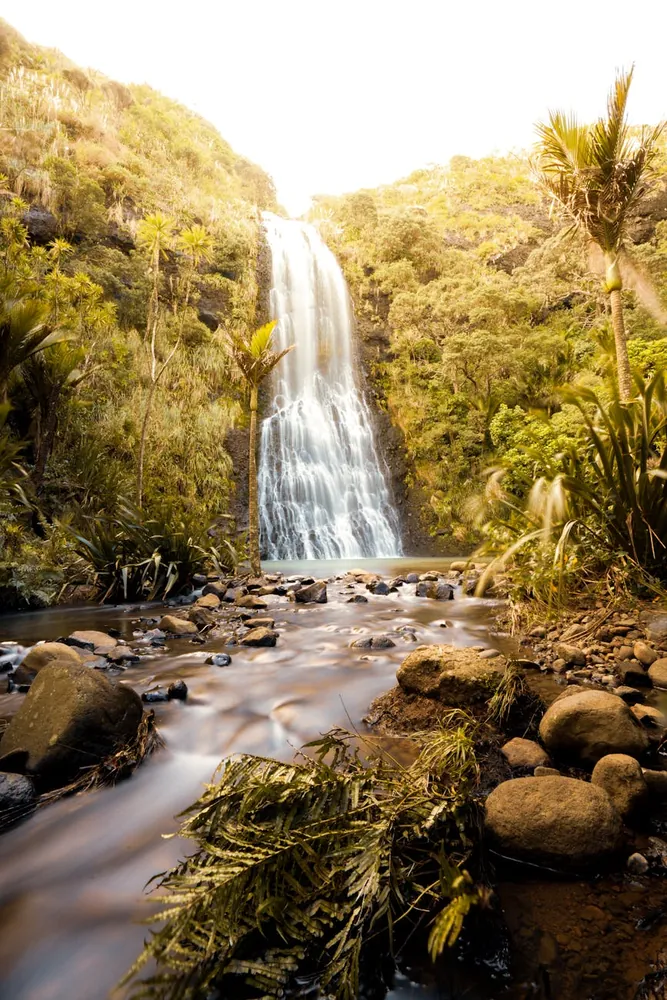
Exploring New Zealand's Hidden Trails
New Zealand's North Island is renowned for its stunning landscapes, offering everything from rolling hills to lush forests. While popular trails like the Tongariro Alpine Crossing draw hikers from around the world, there are many lesser-known gems that provide equally breathtaking experiences without the crowds.
This article highlights five such hidden trails, each offering unique scenery and the chance to connect with New Zealand's natural beauty in a more intimate setting.
1. The Forgotten World: Matemateaonga Track
Location: Whanganui National Park
The Matemateaonga Track, nestled within the Whanganui National Park, is a perfect blend of history and nature. Spanning approximately 42 kilometers, this track offers a three- to four-day hiking adventure through dense forest and along ancient Maori pathways. The trail is part of what was historically used for trading and cultural exchange among Maori tribes.
Highlights:
- Diverse Flora: The track is home to a wide variety of native plants, including towering rimu and totara trees.
- Historic Significance: Walk past traditional Maori land and discover the remnants of ancient settlements.
- Panoramic Views: Enjoy stunning vistas over valleys and distant mountains, especially from the Kaiwhakauka and Puketapu tracks.
Trade-offs of the Matemateaonga Track
While the Matemateaonga Track offers unparalleled solitude and natural beauty, it also requires a higher level of preparation compared to more popular hikes. There are limited facilities along the route, so hikers must be self-sufficient, carrying all necessary supplies including food, water purification tools, and camping gear. Despite these challenges, those who make the journey are rewarded with a sense of wilderness seldom found elsewhere.
2. Mangorei Track to Pouakai Tarns
Location: Egmont National Park
The Mangorei Track leading to Pouakai Tarns is a relatively short hike that offers spectacular views of Mount Taranaki, one of New Zealand's most iconic volcanic peaks. This 10-kilometer round trip is perfect for a day hike, especially during clear weather when the mountain reflects beautifully in the tarns.
Highlights:
- Unique Scenery: The highlight of this trail is the Pouakai Tarns themselves, offering mirror-like reflections of Mount Taranaki.
- Varied Terrain: Traverse boardwalks through alpine wetlands and dense subalpine scrub.
- Accessibility: Suitable for moderately experienced hikers; takes approximately 3-4 hours return.
Trade-offs of the Mangorei Track
This track provides an accessible yet stunning hiking option but can be weather-dependent. Clouds often obscure views of Mount Taranaki, so checking forecasts before setting out is crucial. Additionally, the initial climb can be steep and may not be suitable for less fit hikers or those unaccustomed to hilly terrain.
3. Te Aroha Summit Track
Location: Kaimai Mamaku Forest Park
A hidden gem for adventure seekers, the Te Aroha Summit Track ascends to one of the best viewpoints on the North Island. At just over 7 kilometers in length, this challenging hike rewards with expansive views that stretch across the Waikato region on a clear day.
Highlights:
- Breathtaking Views: On clear days, you can see as far as Mount Ruapehu and Lake Taupo from the summit.
- Diverse Ecosystems: Encounter various ecosystems as you climb from lush forests to open scrublands.
- Historical Landmarks: Explore the remains of old mining sites along the trail.
Trade-offs of the Te Aroha Summit Track
This track demands a good fitness level due to its steep inclines and rocky sections. Weather conditions can change rapidly at higher altitudes, requiring hikers to be well-prepared with appropriate gear. Despite these challenges, reaching the summit offers a profound sense of accomplishment and unrivaled views.
4. The Aotea Track on Great Barrier Island
Location: Great Barrier Island
The Aotea Track is a multi-day circuit offering 25 kilometers of exploration through pristine wilderness on Great Barrier Island. Known for its rich biodiversity and untouched landscapes, this track provides an immersive experience in nature.
Highlights:
- Diverse Habitats: Traverse through kauri forests, wetlands, and rugged coastlines.
- Natural Hot Springs: Relax in Kaitoke Hot Springs along the way – a natural wonder not to be missed.
- Breathtaking Beaches: Finish your hike with a swim at one of the island's secluded beaches.
Trade-offs of the Aotea Track
The Aotea Track offers a remote hiking experience that requires careful planning and preparation. Access to Great Barrier Island typically involves a ferry or flight, adding to travel logistics. Facilities are basic, necessitating self-sufficiency in terms of food and accommodation (camping is common).
5. Lake Waikaremoana Track
Location: Te Urewera
This 46-kilometer trail circumnavigates the shoreline of Lake Waikaremoana in Te Urewera, providing an unforgettable journey through deep forests and alongside serene waters. The trek usually takes about three to four days to complete.
Highlights:
- Lush Forests: Wander through thick native bush featuring ferns and beech trees.
- Lakeside Camping: Opportunities for scenic camping right next to the lake with unforgettable sunsets.
- Cultural Insights: Engage with Maori culture and learn about the significance of Te Urewera to local iwi (tribes).
Trade-offs of Lake Waikaremoana Track
The remote location means that trekkers need thorough preparation, including arranging transport to and from trailheads as well as ensuring they are well-stocked with supplies. Despite these challenges, this track offers an unparalleled opportunity to experience New Zealand's natural beauty and cultural heritage in one journey.
Making the Most of Your Hiking Experience
Tackling lesser-known trails brings a wealth of rewards—solitude, connection with nature, and often more flexible exploration options compared to their crowded counterparts. To fully enjoy these hidden hikes on New Zealand's North Island, consider these practical tips:
- Research & Preparation: Always check trail conditions and weather forecasts before departure. Websites like Department of Conservation (DOC) provide up-to-date information.
- Packing Essentials: Bring layers for warmth, waterproof clothing, a reliable map or GPS device, plenty of food and water, and safety equipment like first aid kits.
- Sustainability Practices: Follow Leave No Trace principles by carrying out all rubbish and respecting wildlife habitats.