
Step-by-Step Instructions for Navigating Rome's Bus and Metro Networks
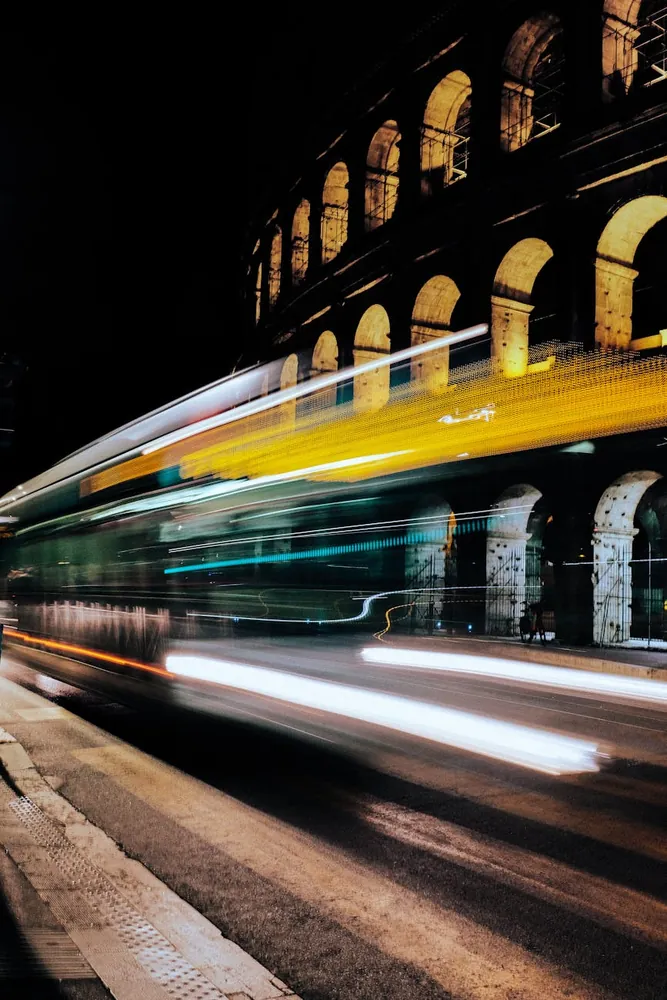
Understanding Rome's Public Transportation System
Rome's public transportation system, managed by ATAC, comprises an extensive network of buses, trams, and metro lines. While navigating such a vast system can seem daunting, understanding its structure and operation is key to enjoying your Roman holiday without the hassle.
The Core of Rome's Metro System
The Roman metro consists of three lines: Line A (orange), Line B (blue), and the newer Line C (green). They intersect strategically to cover the most tourist-centric locations and connect with major train stations like Termini and Tiburtina.
Bus Network Overview
The bus network in Rome is both comprehensive and intricate, consisting of regular, night, and express services. Unlike the metro, buses serve areas of the city not reachable by underground lines, providing a valuable service for reaching attractions such as the Vatican, Trastevere, or outlying suburbs.
Purchasing Tickets: Step-by-Step Guide
Tickets for Rome’s public transportation are valid on buses, metro, and trams. Here’s a guide to acquiring them:
1. Ticket Types
- BIT (Integrated Time Ticket): Valid for 100 minutes from validation. Cost: €1.50.
- Roma 24H/48H/72H: Unlimited travel for 24, 48, or 72 hours respectively. Costs vary from €7 to €18.
- CIS (Weekly Ticket): Unlimited travel for 7 days. Cost: €24.
2. Where to Buy
- ATAC Vending Machines: Located at metro stations and some bus stops. Accept cash and cards.
- Tabacchi Shops: Small tobacconists marked by a 'T' sign.
- Online: Through the official MyCicero app for digital tickets.
3. Validating Your Ticket
Once you have your ticket, validation is crucial. Use the yellow machines on buses or at metro station turnstiles. A failure to validate could result in a hefty fine during inspections.
Reading Schedules and Maps
Understanding Rome’s transportation schedules and maps is integral to planning your journey effectively.
Interpreting Metro Maps
Makeshift maps of Rome’s metro are easily available at stations and online. Metro service runs from 5:30 AM until 11:30 PM daily (1:30 AM on Fridays and Saturdays). Frequency varies but generally every 10 minutes during peak times.
Using Bus Schedules
Bus stops display a list of routes served, along with a timetable. It’s important to note that schedules may reflect an ideal world; buses can be delayed due to traffic conditions. Google Maps or the Roma Mobilità app offer real-time updates.
Navigating Common Tourist Pitfalls
Avoiding common mistakes can enhance your experience with Rome’s transit system.
Pitfall #1: Not Validating Tickets
Ensure you validate your ticket every time you board a bus or enter a metro station. The inspectors are vigilant, and fines are high for non-compliance.
Pitfall #2: Rush Hour Crowds
Avoid traveling during peak hours (8-9 AM and 6-7 PM) when possible, especially on busy routes like Termini to Colosseo.
Pitfall #3: Overlooking Night Buses
If you're out late, night buses (N lines) are your go-to option. They run after regular services conclude, ensuring you're never stranded.
Practical Tips for Seamless Travel
- Plan Ahead: Use apps like MyCicero or Google Maps to pre-plan routes.
- Carry Change: Some ticket machines may not accept large bills or foreign cards.
- Mind the Pickpockets: Stay vigilant in crowded areas like metro trains and bus stations.
A Mini-Framework for Navigating Any City
This framework can be applied universally when using public transport systems in any new city:
- Research the main transport types available.
- Understand ticket options and purchase points ahead of time.
- Use digital tools or apps for real-time information.
- Practice safety by being aware of your surroundings and belongings.
This pragmatic approach will ensure a stress-free travel experience wherever your adventures take you!