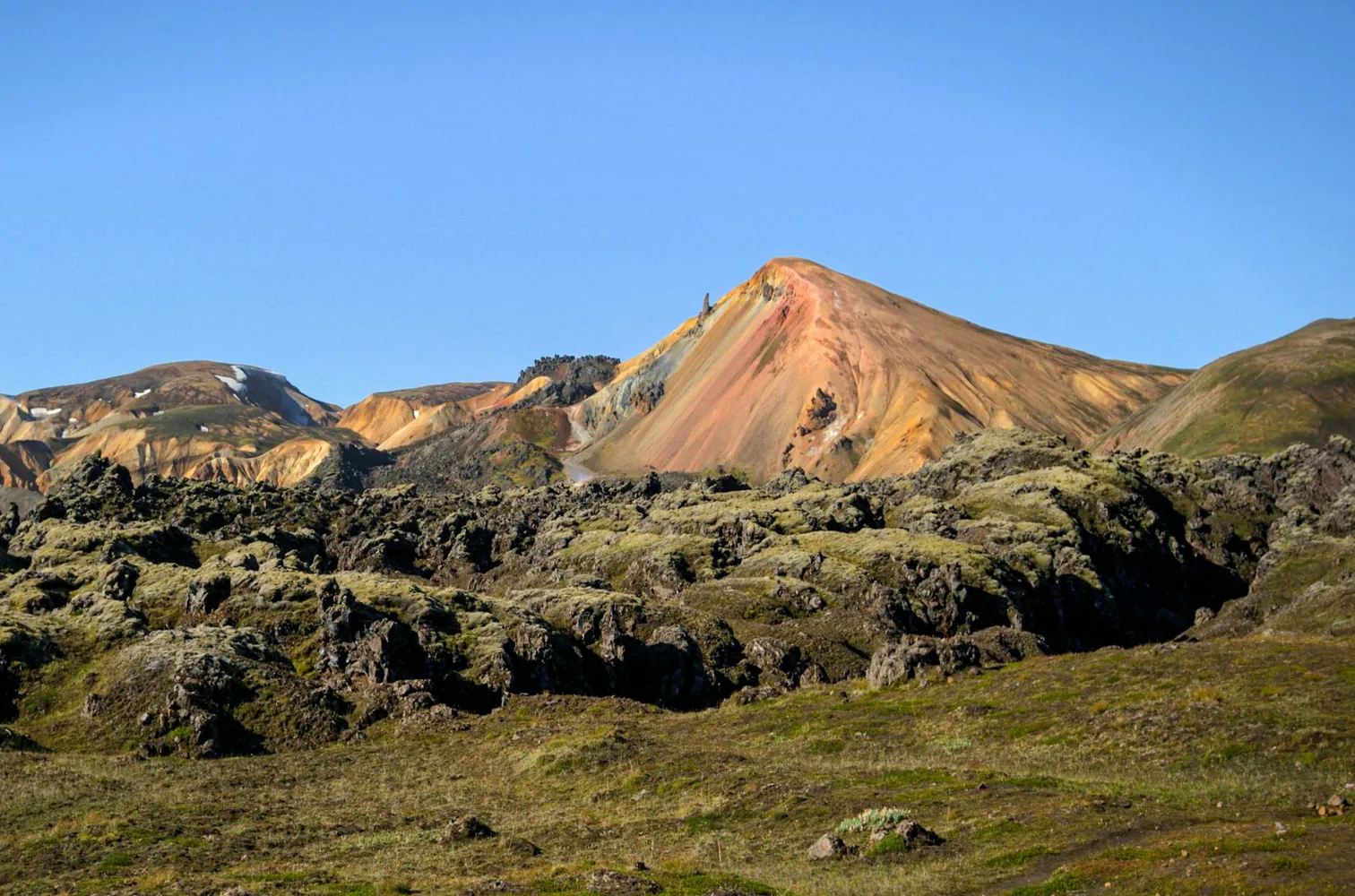
Consequences of Urbanization on Native Wildlife Populations and Habitats
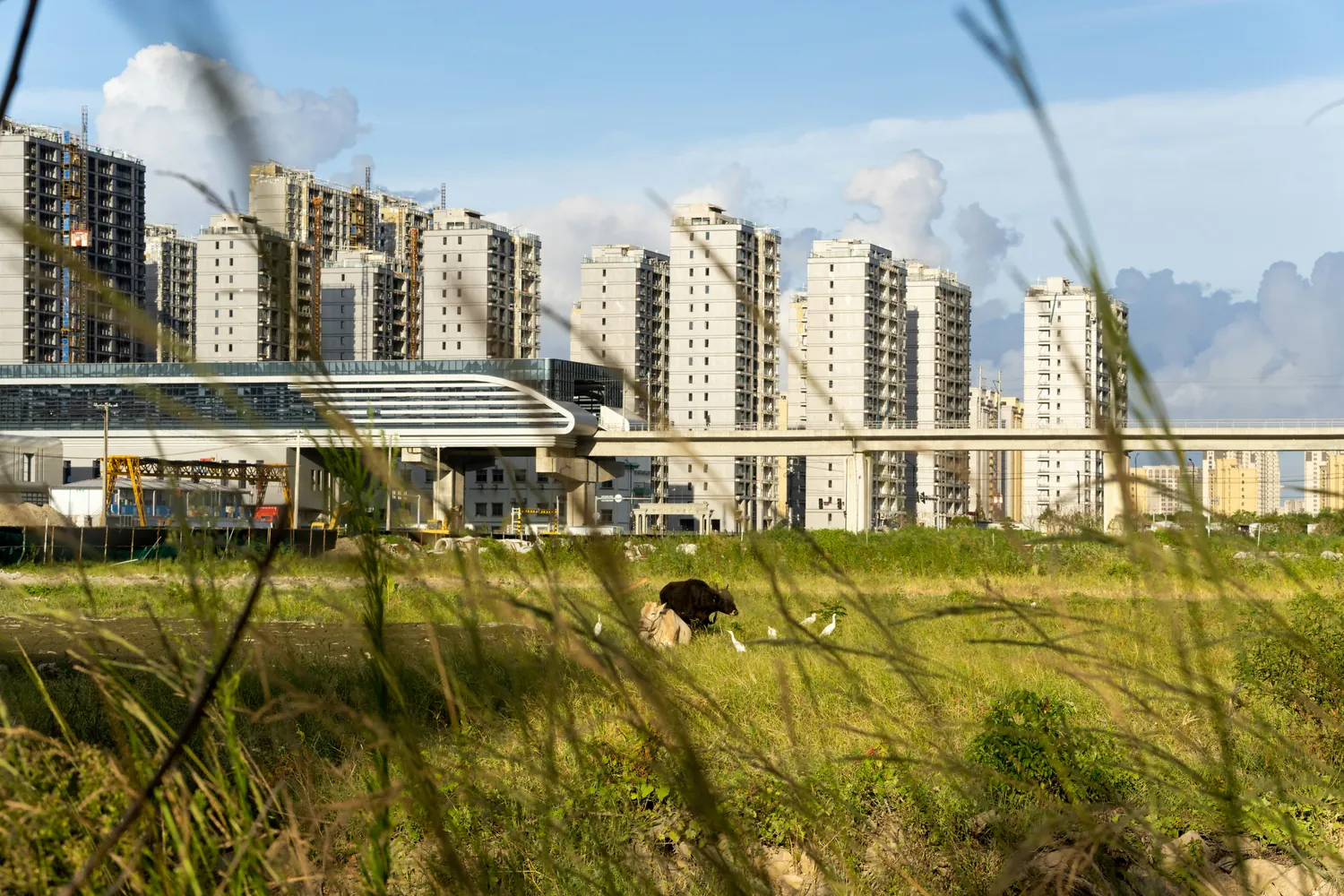
The Clash Between Development and Nature
Urbanization is an unstoppable force reshaping landscapes globally, paving the way for economic growth but often at the expense of natural ecosystems. As cities expand, roads and infrastructure cut through habitats, altering migration patterns of wildlife and threatening biodiversity.
Balancing development with environmental preservation is a pressing challenge that requires nuanced understanding and strategic planning.
How Road Construction Disrupts Habitats
Roads act as barriers within natural landscapes, fragmenting habitats into isolated patches. This fragmentation can be catastrophic for wildlife that rely on large, contiguous areas to find food, mates, and shelter. For instance, in the Amazon rainforest, a study showed that even narrow dirt roads could drastically reduce amphibian populations by disrupting their moist, connected habitats.
Furthermore, road construction often leads to increased human activity in previously undisturbed areas, introducing threats like poaching and pollution. The increased accessibility can also lead to habitat degradation due to deforestation for agriculture or urban expansion.
Case Study: The Florida Panther
The Florida Panther is a classic example of how roads impact wildlife. This endangered species faces severe threats from road mortality; over 30% of known Florida Panther deaths are due to vehicle collisions. Conservation efforts have included building wildlife corridors and installing underpasses specifically designed for safe passage under highways. These measures have shown some success but highlight the complexity of mitigating urbanization impacts.
Effects on Migration Patterns
Wildlife migration is a critical ecological process allowing species to access different habitats seasonally for resources and breeding. Roads disrupt these natural movements, leading to genetic isolation and reduced resilience to environmental changes. The Serengeti-Mara ecosystem in East Africa illustrates this impact vividly. Proposed roads through this migration corridor could sever the route for millions of wildebeest and zebras, potentially leading to drastic population declines.
Another concerning impact is the disruption of aquatic migrations. In North America, salmon populations suffer as roads and dams block access to spawning streams, impacting not just the fish but entire ecosystems dependent on their life cycle.
Solutions: Wildlife Crossings
Wildlife crossings are a crucial solution to address migration disruption. Overpasses and underpasses designed for animals can effectively reconnect fragmented habitats. In Banff National Park, Canada, overpasses have been constructed to allow safe passage for species such as bears and elk across the Trans-Canada Highway. These structures have decreased wildlife-vehicle collisions by over 80%, demonstrating the effectiveness of tailored infrastructure solutions.
The Trade-Offs of Infrastructure Development
Urban infrastructure development offers significant benefits such as improved transport links, economic opportunities, and enhanced living standards. However, these come at a cost to ecosystems. The key is finding sustainable ways to mitigate environmental impacts while accommodating growth needs.
- Environmental Impact Assessments (EIA): Comprehensive EIAs should be mandatory before construction projects begin. These assessments help identify potential impacts on local wildlife and propose mitigation strategies.
- Strategic Urban Planning: Integrating green spaces and natural corridors in urban designs can promote biodiversity conservation while accommodating human needs.
A Collaborative Approach: Policy and Community Engagement
Policy interventions are essential in balancing development with wildlife conservation. Governments need to enforce regulations that require developers to consider ecological impacts. Communities also play a crucial role; public engagement in planning processes can lead to more environmentally conscious decisions.
An inspiring example comes from Melbourne, Australia, where community-driven initiatives have led to the creation of 'wildlife gardens' within urban areas. These small-scale green spaces support native species and increase urban biodiversity.
The Role of Technology in Wildlife Conservation
Technology is increasingly integral to wildlife conservation amidst urban development. Tools like GPS tracking allow scientists to monitor animal movements and understand how infrastructure affects them. In India, tiger movements are tracked to inform road planning and ensure safe passageways through corridors.
Drones offer another technological boon by monitoring hard-to-access areas for illegal activities such as logging or poaching, providing real-time data that helps enforce protection laws.
Looking Forward: Achieving Sustainable Coexistence
Sustainable coexistence between urban development and wildlife conservation is possible but requires strategic action from multiple stakeholders, including governments, developers, conservationists, and communities. By prioritizing ecological integrity alongside economic growth, we can ensure that development doesn't come at the expense of our planet's biodiversity.
In summary, as our cities grow, it's crucial to adopt innovative solutions that mitigate the impacts on native wildlife populations and habitats. Embracing technology, community engagement, and robust policy frameworks will guide us toward a future where urban landscapes and natural ecosystems thrive together.