
Evaluating the Success of Local Engagement in Contemporary Wildlife Preservation
Traditional Wildlife Conservation Approaches
For decades, wildlife conservation has primarily relied on establishing protected areas and implementing legal frameworks to regulate human activities. This approach aims to safeguard ecosystems by creating sanctuaries where flora and fauna can thrive without human interference.
Pros of Traditional Approaches:
- Proven Track Record: Many national parks and wildlife reserves around the world have successfully preserved biodiversity.
- Strict Legal Protections: These areas often benefit from stringent laws that deter poaching and habitat destruction.
Cons of Traditional Approaches:
- Displacement Concerns: Indigenous communities are sometimes displaced to create these protected areas, which can lead to social conflicts.
- Limited Engagement: Traditional methods often exclude local communities, which can lead to resistance and non-cooperation.
When to Use Traditional Approaches
Traditional conservation methods are most effective in regions where habitats are largely undisturbed and where strict legal enforcement is possible. For instance, they work well in remote areas with low human population density but are less practical in urban or agriculturally dominant regions.
Community Engagement in Wildlife Conservation
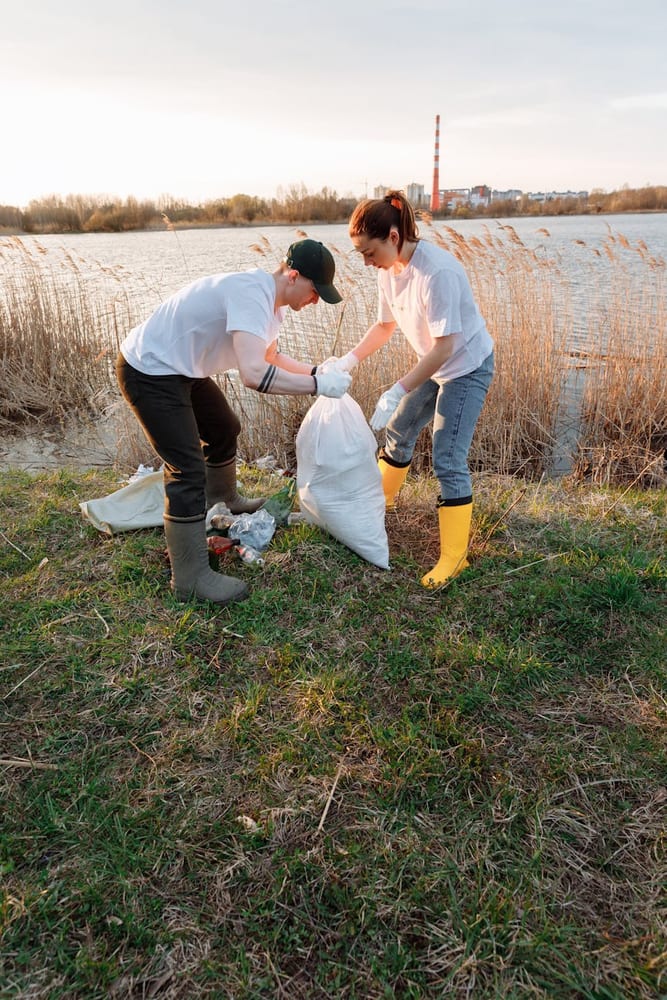
The advent of community-based conservation has shifted the focus towards involving local populations in the preservation of their surrounding ecosystems. This strategy recognizes the value of local knowledge and aims to empower communities through shared responsibilities and benefits.
Pros of Community Engagement:
- Empowerment: Local communities gain a sense of ownership, which enhances commitment to conservation efforts.
- Sustainable Practices: Integrating traditional ecological knowledge can lead to more sustainable resource management.
Cons of Community Engagement:
- Complex Social Dynamics: Implementing community-based programs requires navigating local politics and social structures.
- Resource Intensive: These initiatives demand continuous investment in education, capacity building, and infrastructure.
When to Use Community-Based Approaches
This method shines in biodiversity-rich areas where local communities have a direct relationship with the land and resources. It's particularly effective in regions with indigenous populations who possess intricate ecological knowledge but may be challenged by political and resource complexities.
The Role of Technology in Modern Conservation
Technological advancements offer innovative tools for conservationists. Drones, satellite imagery, and artificial intelligence enhance monitoring capabilities, while mobile applications and social media facilitate broader public engagement.
Pros of Technological Integration:
- Enhanced Data Collection: Technology provides accurate, real-time data which improves decision-making processes.
- Scalability: Digital platforms can reach larger audiences at minimal additional cost.
Cons of Technological Integration:
- High Initial Costs: The setup and maintenance of technological tools can be prohibitively expensive for some projects.
- Technology Dependent: Over-reliance can undermine traditional knowledge and methodologies.
When to Employ Technological Tools
Technology-driven strategies are ideal for large-scale projects requiring detailed ecological data over vast areas. They complement community engagement by providing educational platforms and supporting citizen science initiatives, but should be balanced with community inputs to ensure culturally sensitive implementations.
Towards a Holistic Conservation Strategy
The most successful wildlife conservation efforts often blend traditional methods, community involvement, and technology. By understanding when and how to apply each strategy, conservationists can tailor their approaches to fit the unique environmental and social contexts they face. The key lies in assessing the specific challenges of an area—be it biodiversity threats, socio-political dynamics, or technological readiness—and crafting a balanced plan that draws from the strengths of each method.