The Impact of In-Situ and Ex-Situ Conservation on Wildlife Species
The Fundamentals of In-Situ Conservation
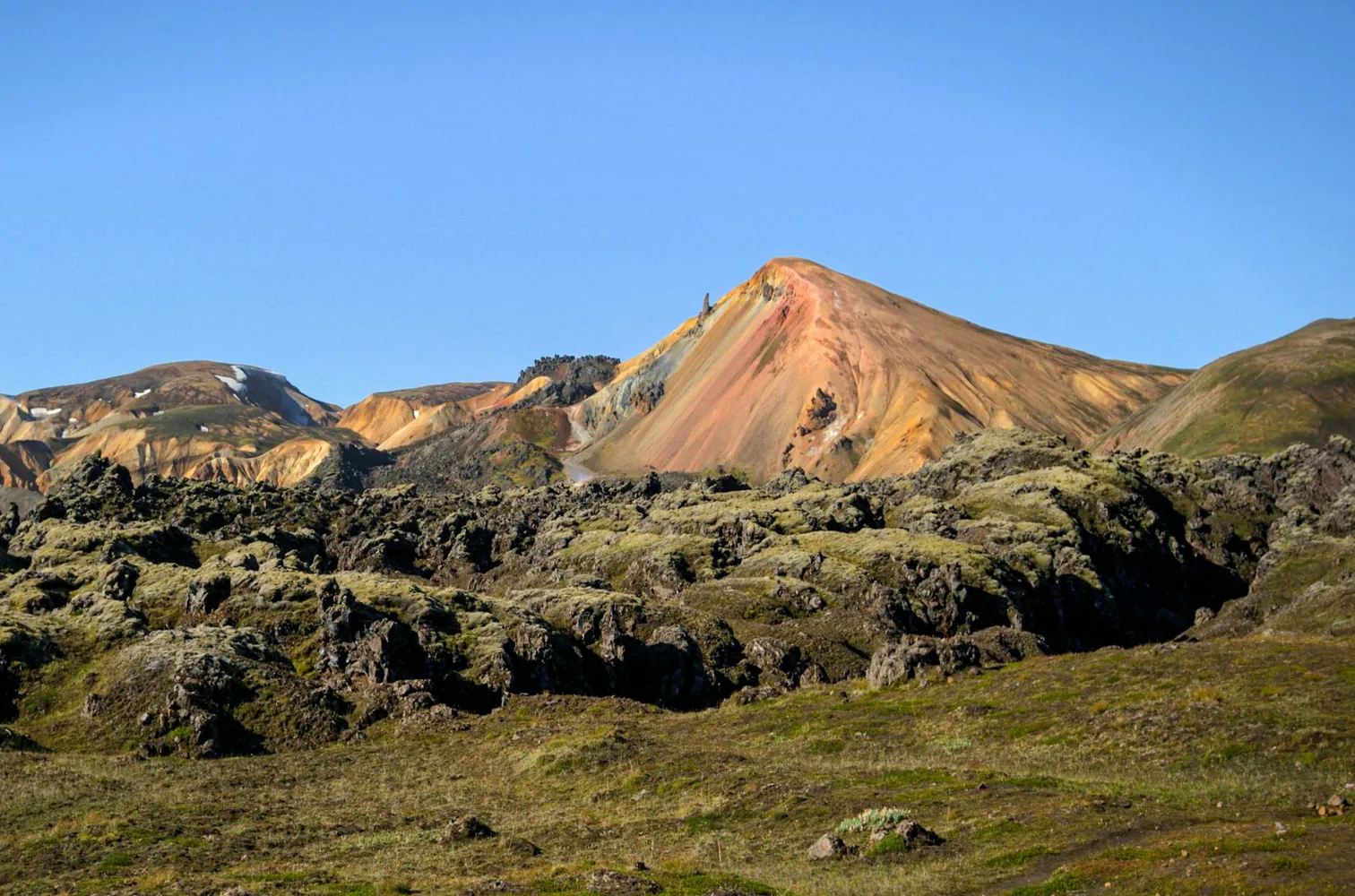
In-situ conservation involves protecting and managing species within their natural habitats. This method aims to maintain and recover viable populations in the wild, ensuring that they continue to play their roles in the ecosystem.
It is often considered the most effective form of conservation because it allows species to evolve naturally without the interference of artificial environments.
Advantages of In-Situ Conservation
- Maintaining Biodiversity: By conserving species in their natural habitats, we ensure that ecosystems remain balanced and diverse. This diversity is crucial for ecosystem resilience and the provision of ecological services.
- Natural Behavior: Animals can exhibit their natural behaviors, from migration patterns to hunting strategies, which is often restricted or altered in controlled environments.
- Adaptive Evolution: Natural selection can continue to operate, allowing species to adapt to changing environments, which is critical in the face of climate change.
One notable example of successful in-situ conservation is the creation of marine protected areas (MPAs), which safeguard vital marine habitats from overfishing and pollution, allowing species like sea turtles and coral reefs to thrive.
The Dynamics of Ex-Situ Conservation
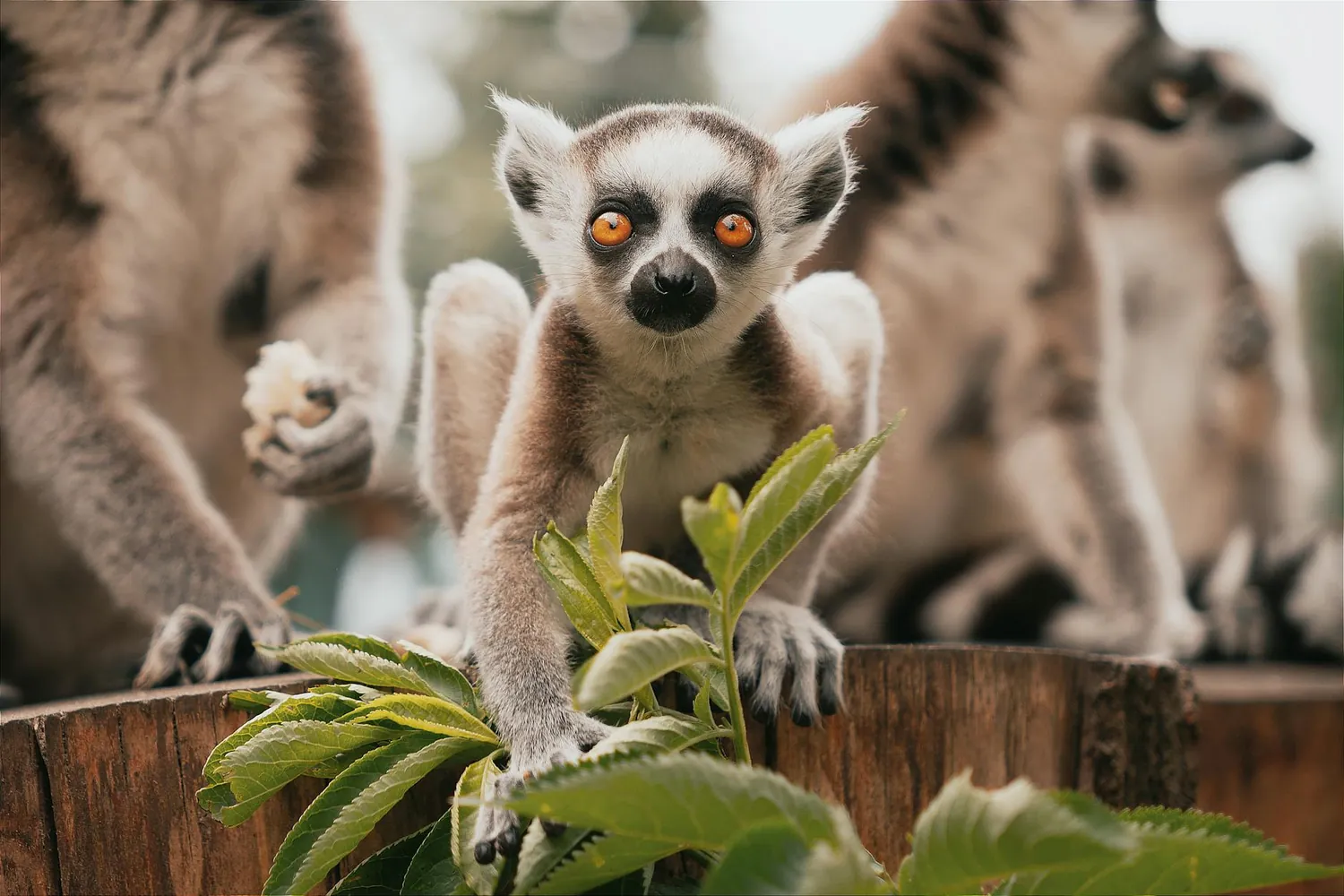
Ex-situ conservation refers to the preservation of species outside their natural habitats, often in zoos, botanical gardens, or seed banks. This approach is typically employed when a species is on the brink of extinction and requires immediate intervention.
Advantages of Ex-Situ Conservation
- Preventing Extinction: Ex-situ methods can be critical for species that are severely threatened in the wild, providing a controlled environment where they can breed and increase population numbers.
- Research Opportunities: These controlled settings offer scientists the chance to study species up close, gather genetic material, and develop breeding programs that could eventually support reintroduction efforts.
- Public Awareness and Education: Zoos and aquariums serve as educational platforms that raise awareness about conservation issues and encourage public support for conservation initiatives.
A prime example is the California condor recovery program. Captive breeding programs have helped increase their numbers significantly, leading to successful reintroductions into the wild.
When In-Situ May Be Preferable
In-situ conservation is often preferable when the habitat remains relatively intact and stable. For instance, the conservation of savanna elephants benefits more from large protected areas in Africa where they can roam freely, maintaining natural behaviors such as migration and social structures.
However, in regions facing rapid deforestation or climate change, additional measures are necessary to address habitat loss. Conservationists may work with local communities to establish sustainable practices that protect these critical environments.
Ex-Situ Strategies in Action
Ex-situ strategies are essential for species with critically low populations or those suffering from diseases that threaten survival. A well-documented case is that of the Tasmanian devil. Faced with a deadly transmissible cancer known as Devil Facial Tumor Disease (DFTD), ex-situ breeding programs have become vital. Healthy devils are bred in disease-free facilities, maintaining a genetic reservoir while research continues on curing or managing DFTD.
A Step-by-Step Checklist for Ex-Situ Programs
- Identify Critical Species: Assess which species require immediate intervention based on population size and threat level.
- Create Captive Breeding Plans: Design breeding programs that maximize genetic diversity and prepare for potential reintroduction scenarios.
- Implement Health Monitoring: Regularly check health statuses and ensure environments meet species-specific needs.
- Prepare Reintroduction Efforts: Once populations are stable, assess habitat readiness and plan for gradual reintroduction.
Challenges and Considerations
Both conservation approaches come with unique challenges. In-situ conservation may be hampered by habitat destruction due to human activities such as agriculture expansion, mining, and urbanization. Meanwhile, ex-situ conservation can struggle with issues like limited space, high costs, and difficulties in reintroducing animals back into their natural habitats due to loss of survival skills or habitat changes.
Integrating Both Approaches
A comprehensive conservation strategy often requires integrating both in-situ and ex-situ methods. For example, efforts to save the northern white rhinoceros involve protecting remaining individuals in sanctuaries (in-situ) while developing advanced reproductive technologies to create embryos from stored genetic material (ex-situ).
This integration requires collaboration among governments, NGOs, local communities, scientists, and private stakeholders. Effective communication and shared goals can lead to innovative solutions that enhance the resilience of wildlife populations worldwide.
Conclusion: Crafting Holistic Solutions
The choice between in-situ and ex-situ conservation depends on specific circumstances surrounding each species. While one method might be more suitable under certain conditions, a holistic approach that leverages both can maximize conservation outcomes. The ultimate goal remains the same: preserving the planet's biodiversity for future generations through strategic, informed actions.