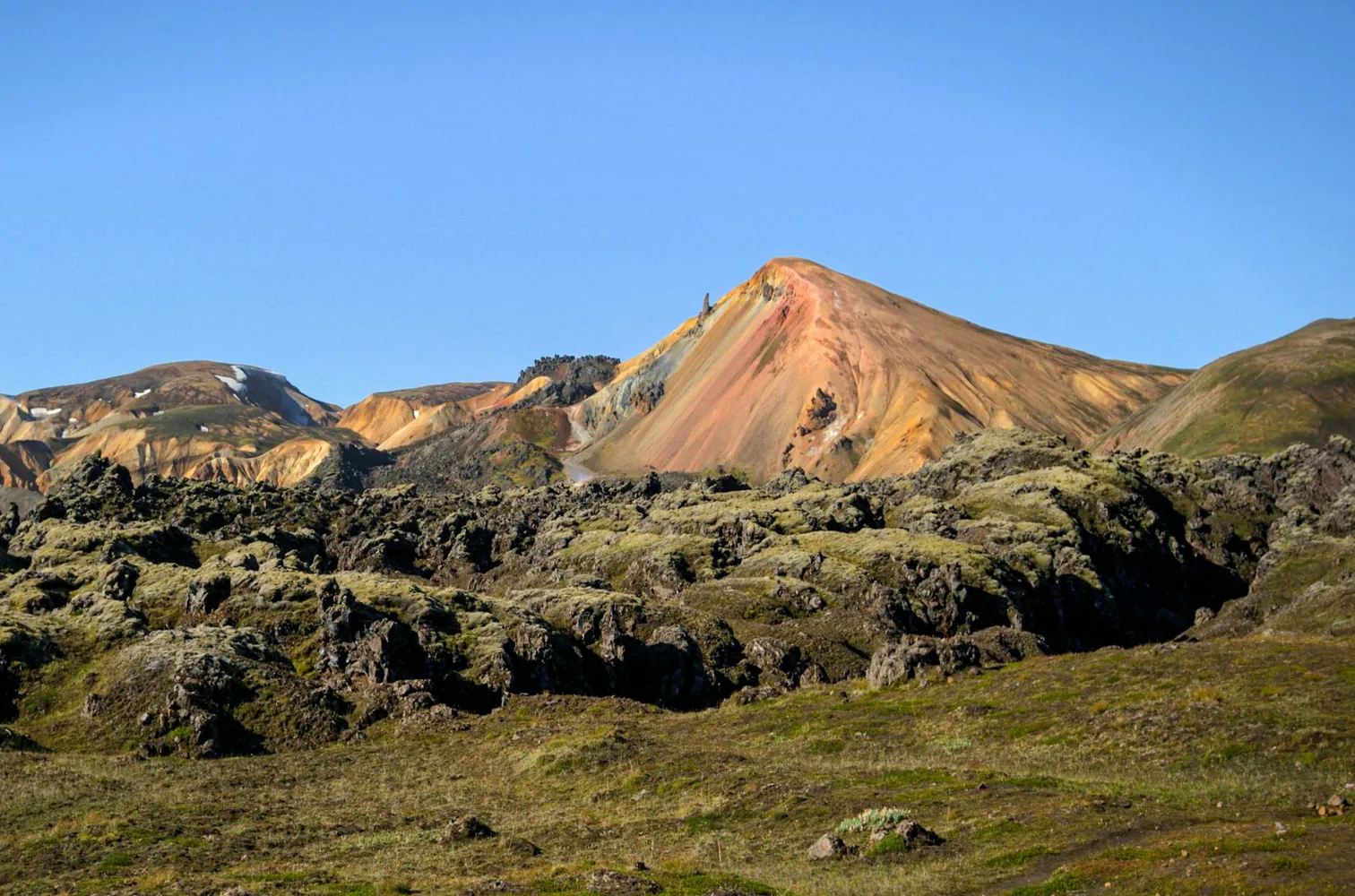
Understanding How Wildlife Corridors Complement Traditional Conservation Efforts
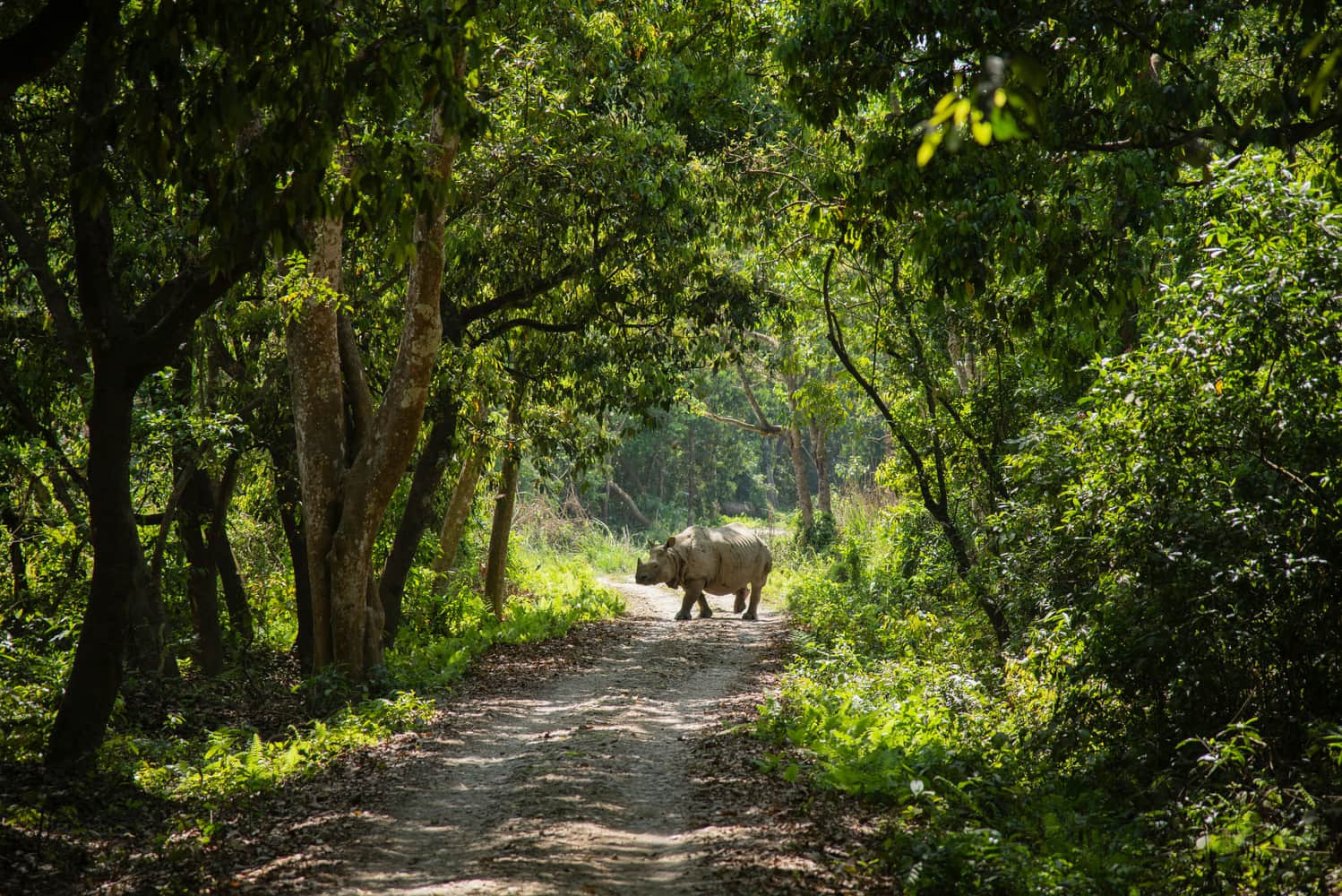
The Role of Traditional Wildlife Reserves
Traditional wildlife reserves have long been the cornerstone of conservation efforts, providing designated areas where wildlife can live and reproduce without significant human interference. These reserves often cover large tracts of land and are intended to protect biodiversity by maintaining intact ecosystems.
However, while effective in preserving species within their boundaries, they can sometimes inadvertently act as islands, restricting genetic flow between populations.
The idea of 'reserves' is not new. They trace back to early conservation movements in the late 19th century. These areas are designed to serve as strongholds for endangered species, such as the mountain gorillas in Bwindi Impenetrable National Park in Uganda or the Bengal tigers in India's Ranthambore National Park. The strategic placement of these reserves in biodiversity hotspots has been pivotal in preventing the extinction of numerous species.
Strengths of Traditional Reserves
- Biodiversity Protection: Large-scale reserves offer substantial protection for ecosystems and help safeguard against activities like deforestation and poaching.
- Research Opportunities: These areas provide crucial sites for scientific research, contributing to our understanding of ecosystems and species behaviors.
- Tourism Revenue: Managed correctly, reserves can generate significant tourism income, which can be reinvested into conservation efforts and local communities.
Limitations of Traditional Reserves
Despite their benefits, traditional reserves have limitations. One major issue is habitat fragmentation, where animals become confined to isolated pockets of habitat.
- Isolation: Over time, genetic diversity within these populations may decline due to inbreeding, making them more susceptible to diseases and reducing adaptability to environmental changes.
- Resource Conflicts: The increasing human population around reserve boundaries often leads to conflicts over land and resources.
- Limited Space: As development encroaches on natural habitats, finding space for new reserves becomes increasingly challenging.
Wildlife Corridors: Enhancing Connectivity
Wildlife corridors have emerged as a complementary strategy to traditional reserves, addressing some of their inherent limitations by facilitating movement between isolated populations. These linear stretches of habitat connect fragmented landscapes, allowing animals to migrate, forage, and breed across a broader range.
Consider the Yellowstone to Yukon Conservation Initiative (Y2Y), which spans over 2,000 miles. This corridor ensures that animals like grizzly bears and elk can move freely across regions, maintaining healthy genetic diversity. By linking several protected areas, Y2Y represents a large-scale example of how corridors can function across international borders.
Benefits of Wildlife Corridors
- Genetic Flow: Corridors enable gene flow between isolated populations, reducing the risk of genetic bottlenecks.
- Climate Adaptation: As climates shift, corridors provide routes for species migration, aiding adaptation to new environmental conditions.
- Ecosystem Services: By connecting different habitats, corridors enhance ecosystem services like pollination and seed dispersal.
Challenges and Trade-offs
While wildlife corridors offer substantial advantages, they are not without challenges:
- Land Use Conflicts: Creating corridors often requires negotiating with multiple stakeholders who may have competing interests.
- Cost and Maintenance: Establishing and maintaining corridors can be expensive, requiring ongoing investment and management.
- Invasive Species: Corridors can inadvertently facilitate the spread of invasive species, which can disrupt local ecosystems.
The Synergy Between Reserves and Corridors
The most effective conservation strategies often involve a blend of traditional reserves and wildlife corridors. Together, they can form a comprehensive network that addresses both protection and connectivity. For instance, South Africa's Kruger National Park has incorporated corridors to link with adjacent parks in Mozambique and Zimbabwe, creating a transboundary conservation area that supports a wider range of biodiversity.
When to Implement Each Strategy
The decision to implement reserves or corridors—or a combination—depends on various factors such as:
- Ecosystem Requirements: Highly mobile species may benefit more from corridors, while species with specific habitat needs might thrive better in well-managed reserves.
- Human Impact: In areas with high human-wildlife conflict, carefully planned reserves might provide necessary protection, while corridors could mitigate conflicts by guiding animals away from agricultural lands.
A nuanced approach that considers the ecological context and socio-economic factors is essential for successful conservation outcomes.
Practical Tips for Conservation Practitioners
Conservationists looking to implement these strategies can follow a few practical steps:
- Stakeholder Engagement: Work closely with local communities and governments to ensure support and sustainable management practices.
- Diverse Funding Sources: Seek funding from multiple sources including government grants, NGOs, and private donations to ensure financial sustainability.
- Adaptive Management: Regularly monitor ecological outcomes and be ready to adapt management practices based on new findings.
Combining traditional reserves with wildlife corridors provides a holistic approach that enhances habitat connectivity and promotes biodiversity preservation. While challenges remain, innovative solutions continue to emerge, guided by ongoing research and collaboration among stakeholders at all levels.