
Wildlife Recovery: Comparing Rehabilitation Methods with Conservation Biology Practices
Understanding Wildlife Rehabilitation and Conservation Biology
Wildlife recovery is a complex and multifaceted endeavor involving a range of methodologies aimed at preserving biodiversity and restoring ecological balance. Two prominent approaches in this field are wildlife rehabilitation and conservation biology.
While both aim to assist species recovery, they employ distinct methodologies and are applicable in different scenarios.
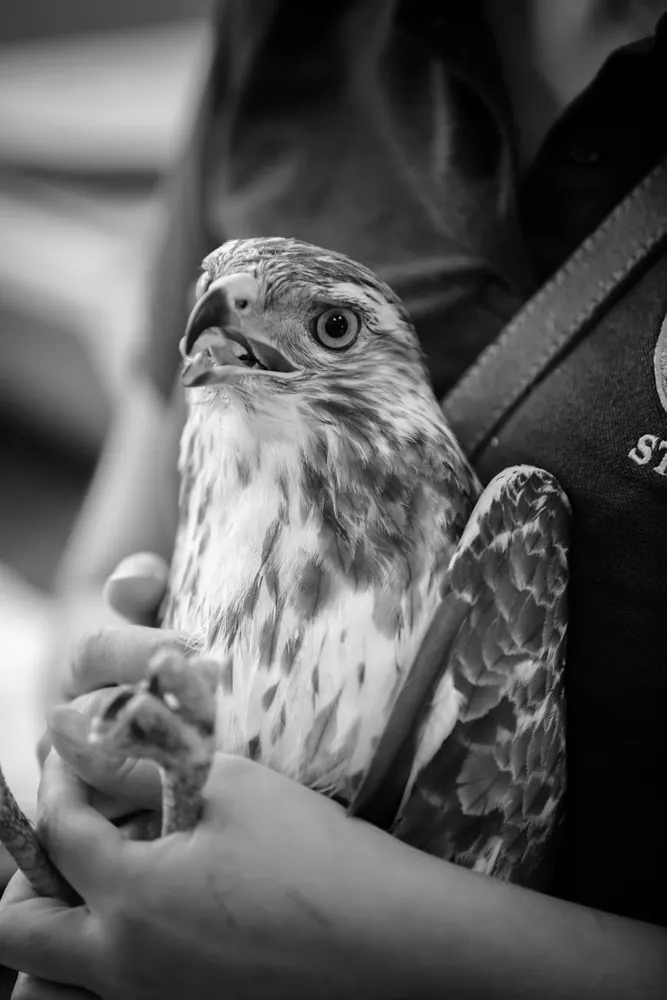
Wildlife rehabilitation focuses on the care and eventual release of individual animals that have been injured, orphaned, or displaced. This process involves medical care, physical therapy, and behavioral conditioning to prepare the animals for life back in the wild. Conservation biology, on the other hand, takes a broader ecological approach, focusing on the preservation of entire ecosystems and populations. It often involves habitat protection, restoration efforts, and policy advocacy.
The Intricacies of Wildlife Rehabilitation
Wildlife rehabilitation is a hands-on approach that requires detailed knowledge of veterinary medicine, animal behavior, and ecology. The primary goal is to restore sick or injured animals to full health and enable them to return to their natural habitats.
Steps in Wildlife Rehabilitation
- Assessment and Intake: Initial assessment is crucial to determine the extent of an animal's injuries or illness. This step involves a thorough examination by veterinarians and wildlife specialists.
- Medical Treatment: Depending on the diagnosis, medical treatment may include surgery, medication, or supportive care such as fluid therapy.
- Nutritional Support: Providing proper nutrition tailored to each species is essential. This might involve specialized diets that mimic the animal's natural food sources.
- Behavioral Conditioning: Animals must learn or re-learn survival skills such as hunting, foraging, and predator avoidance before being released.
- Release: Successful rehabilitation concludes with the release of the animal back into an appropriate habitat. Post-release monitoring is often conducted to ensure successful reintegration.
Pros and Cons of Wildlife Rehabilitation
Rehabilitation provides immediate relief to individual animals in distress, which can be crucial for endangered species with declining populations. However, it can be resource-intensive and does not address broader ecological issues such as habitat loss or climate change.
The Role of Conservation Biology
Conservation biology offers a systemic approach to wildlife recovery by addressing the root causes of biodiversity decline. It employs research, policy-making, and community engagement to protect species on a larger scale.
Core Strategies in Conservation Biology
- Habitat Preservation: Protecting existing habitats from destruction is fundamental. This involves legal protection of land areas through national parks and wildlife reserves.
- Habitat Restoration: Efforts to restore degraded ecosystems can help revive species populations. Examples include reforestation projects or restoring wetlands.
- Population Management: Controlled breeding programs or translocation initiatives can boost populations of endangered species.
- Policy Advocacy: Advocating for stronger environmental laws and regulations is critical for long-term conservation success.
Strengths and Limitations of Conservation Biology
The strength of conservation biology lies in its holistic approach to ecosystem management. It can lead to sustainable changes that benefit multiple species simultaneously. However, these initiatives often require significant time, funding, and cooperation between governments and organizations, making them challenging to implement quickly.
Case Studies: Practical Applications
The Story of the California Condor
The recovery of the California Condor is a classic example where both wildlife rehabilitation and conservation biology were employed effectively. By the 1980s, the condor population had dwindled to less than 30 individuals. A bold decision was made to capture all remaining birds to start a captive breeding program. Through intensive rehabilitation efforts including veterinary care and captive breeding techniques, the condors were bred successfully in captivity.
In tandem with these efforts, conservation biology practices focused on habitat protection and creating safe release sites. Today, thanks to these combined efforts, over 400 condors soar in the skies of California and Arizona.
Tackling Marine Mammal Strandings
The phenomenon of marine mammal strandings provides another valuable case study. Rehabilitation centers along coastlines work tirelessly to rescue stranded whales, dolphins, and seals. These centers use specialized techniques to stabilize these animals before releasing them back into the wild.
Meanwhile, conservation biologists work on understanding the reasons behind such events — often linked to pollution or changes in ocean currents — allowing them to advocate for marine protection laws and awareness campaigns.
When to Use Each Approach
The decision to employ either wildlife rehabilitation or conservation biology practices largely depends on the situation:
- Crisis Situations: In emergencies involving individual animals or small groups (such as oil spills affecting local wildlife), rehabilitation is often the go-to solution due to its direct intervention methods.
- Ecosystem-Level Challenges: For threats that impact entire ecosystems like deforestation or climate change, conservation biology offers more comprehensive solutions through policy changes and habitat restoration efforts.
Synthesizing Approaches for Optimal Impact
An integrative approach that combines elements from both methodologies can yield the best outcomes for wildlife recovery. By aligning immediate rescue operations with long-term ecological goals, it becomes possible to address both symptoms and root causes effectively.
This synergy is exemplified in multi-faceted conservation programs that rehabilitate individual animals while simultaneously working to restore habitats and influence environmental policies.
Conclusion: Charting a Course for Future Efforts
The path to effective wildlife recovery lies in recognizing the value of both wildlife rehabilitation and conservation biology. While each has its unique strengths and limitations, their collaborative use can significantly enhance biodiversity preservation efforts worldwide. As we continue to face increasing environmental challenges, leveraging these methodologies in concert offers hope for sustaining our planet’s precious wildlife for generations to come.